Paver Sealing in Arizona — When It's Worth It (and When It Isn't)
Sealing pavers in the desert isn't automatic. Here's when sealer adds years, when it traps moisture, and what product actually works in Phoenix sun.
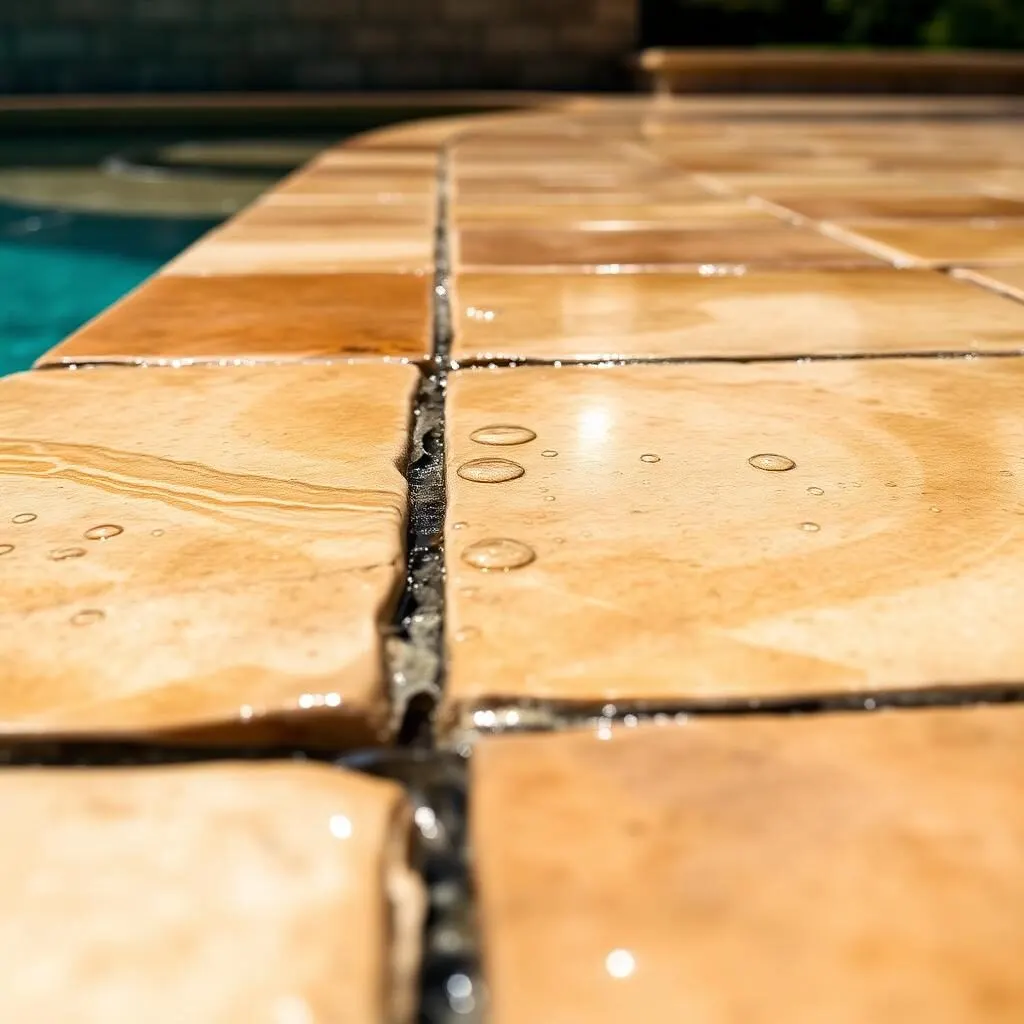
Do pavers need sealer in Arizona?
Concrete pavers — optional. Travertine — usually yes for honed/polished finishes around pools; optional for tumbled. Porcelain pavers — never. The biggest reason to seal is color enhancement and stain resistance, not structure.
When sealer helps
Travertine around BBQ areas where wine/grease drip. Light-colored concrete pavers in high-tannin tree zones (mesquite, olive). Patios with kid/pet stain risk. Joint sand stabilization in windy yards where polymeric is washing out at the edges.
When it hurts
Sealing wet pavers traps moisture — efflorescence blooms a week later. Cheap solvent-based sealer in 110° sun flashes off and turns milky. Sealing over polymeric joint sand that wasn't fully cured locks in haze permanently.
Product that actually works
Water-based penetrating sealer (Seal 'n Lock, Techniseal, Glaze 'N Seal). Penetrates the paver, doesn't film on top, lets the stone breathe. Avoid wet-look high-gloss in AZ — looks great year 1, peels and yellows year 3.
Re-seal cadence
3–5 years in shade; 2–3 years in full sun. Strip-and-reseal if the previous coat clouded — don't layer over failed sealer.