
BEST Pavers for Your Backyard (Contractor Tips)
Picking pavers for an Arizona pool deck isn't about price — it's about heat, grip, and what survives 115° summers. Here's how to pick smarter, not cheaper.
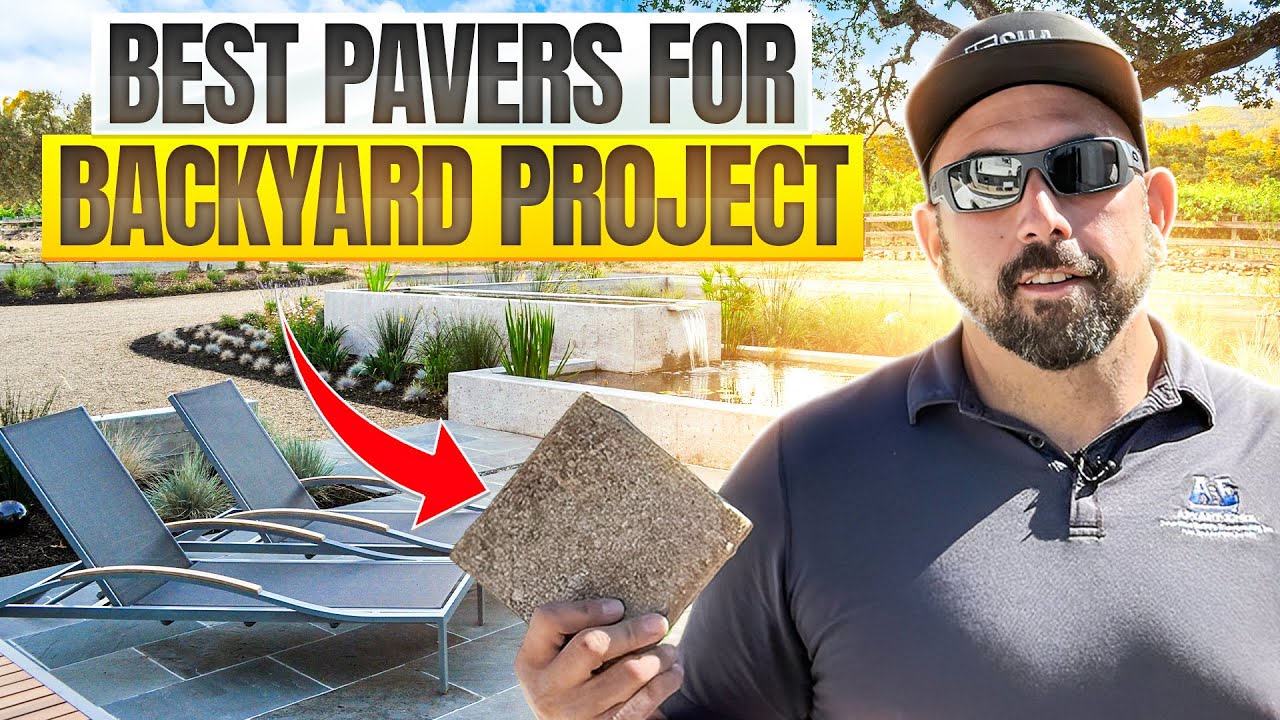
What are the best paver options for a pool deck?
The four we install most often are cobblestone, travertine, porcelain, and newer fusion-style pavers. Cobblestone is the old-faithful — cost-effective and tough, but visually basic. Travertine is the AZ classic for a reason: natural, light-colored, holds up beautifully around water. Porcelain reads modern and is nearly indestructible — Belgard's Mirage line is the benchmark, scratch-resistant enough that only diamond or other porcelain can mark it, and it never needs sealing. Fusion options like Belgard's Dura Fusion bridge the two — premium look, harder-wearing surface.
Natural stone or porcelain for a backyard patio?
Natural stone looks incredible, but it can be slippery when wet and stains more easily. Porcelain is the tank of the backyard world: scratch-resistant, doesn't need sealing, and holds up around water and chlorine without flinching. It can mimic wood, marble, or concrete depending on the look you're after.
Which pavers stay coolest in Arizona heat?
No paver stays ice-cold in July, but lighter colors and denser materials stay cooler longer. Natural travertine and some marble blends stay noticeably cooler than darker cobblestone. If barefoot comfort is your priority, color matters more than material.
Which pavers are safest around a pool?
Grip beats looks every time around water. Dura Fusion has a non-slip texture built in. Porcelain grips well when wet. Travertine and marble are gorgeous but can be slick — fine for adults, worth thinking twice about with little kids running laps.
Why polymeric sand matters more than you think
Polymeric sand locks the pavers in place, hardens like grout but stays flexible, and keeps weeds and ants out of the joints. Silica or mason sand washes out and lets pavers shift. If your installer is using anything but polymeric sand on joints, that's a red flag.
How to avoid ugly stains with natural stone
Never lay natural stone over quarter-minus (crushed granite fines). The base will leach color up through the stone and stain it permanently. Use ABC base with a proper sand bed and polymeric joints — every time.
Biggest mistakes to avoid when installing pool pavers
The big one is skipping ICPI specs — wrong base, wrong sand, wrong joints. The other is using non-load-bearing pavers for driveways. Decking pavers under a car will crack inside a year.
Can you use the same pavers for driveways and decks?
Sometimes. Cobblestone handles both. Dura Fusion and travertino are deck-only unless mud-set for a driveway. When in doubt, ask your installer to specify the load rating for every paver they're quoting.
Trouble loading? Watch on YouTube. Captions available on YouTube.

