Arizona Pool Safety — Fences, Covers, Alarms, and What the Law Requires
Arizona pool-barrier requirements in plain English — what the statute addresses, what local rules can add, and the extra layers that reduce risk.
What the statute addresses (ARS §36-1681)
The statute applies to pools within its scope and contains exceptions; local ordinances and the authority having jurisdiction control what applies to your property.
- An enclosure at least five feet high, with a limited lower alternative under stated statutory conditions.
- Self-closing, self-latching gates opening away from the pool, with latch placement stated in the statute.
- Limits on openings and bottom clearance in the barrier.
- Separate conditions where a door of the residence forms part of the enclosure; some jurisdictions require alarms or self-closing doors.
- Permit and inspection steps vary by jurisdiction and project — confirm them with your building department.
Smart additions on top of code
Pool surface and immersion alarms (Poolguard, Safety Turtle and others) — sensitivity, pricing and listings vary by product, so compare the manufacturer's current documentation. Automatic pool covers — track-mounted and key-operated, with load capability stated by the manufacturer for that cover. Door alarms, even where the adopted code would let you skip them. None of these prevent drowning or replace a barrier and active supervision: use layers of protection and designate an undistracted adult Water Watcher whenever children are in or near water.
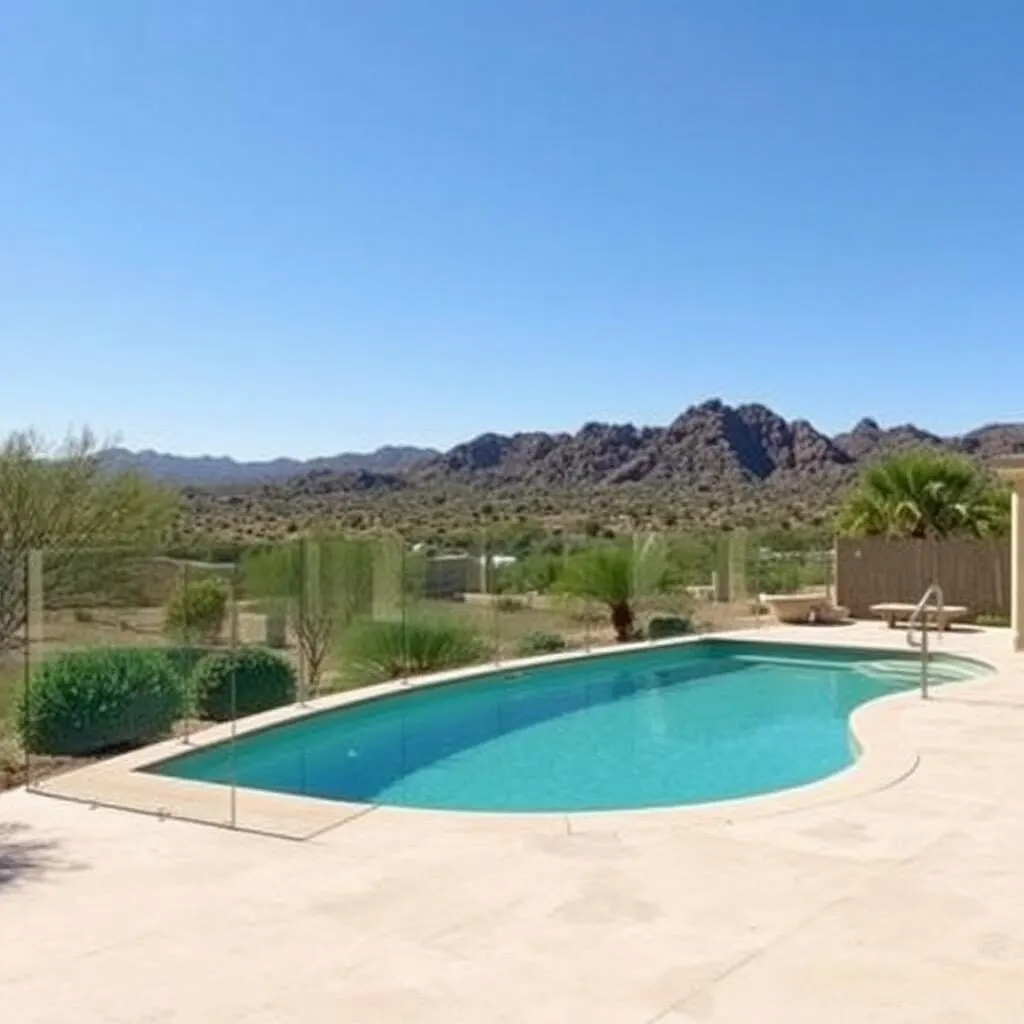
Glass pool fencing — beauty + code
A.R.S. §36-1681(B)(1) states that a barrier within the statute's scope must be at least five feet high. The statute contains exceptions and permits equal or more stringent local ordinances, so the customer must confirm the requirement for the specific property with the applicable municipality or AHJ. AE's planning baseline and recommendation for a swimming-pool barrier is a five-foot barrier system. Frameless tempered glass is the fence type that least obstructs your view of the pool — helpful near play areas, though no barrier replaces active adult supervision, so use layers of protection and a designated Water Watcher, and remember that tempered safety glass can still break into pieces that can be sharp. AE's standard is 1/2-inch tempered safety glass attached at the deck with no top rail; final height and details are confirmed with the authority having jurisdiction and the approved project documents.
Common barrier problems inspectors flag
Latches set below the required release height, gates that swing toward the pool, oversized gaps at corner posts, a missing house-door alarm where one is required, and climbable horizontal members. Confirm the exact figures for your jurisdiction, and review the barrier against the applicable checklist before requesting inspection.