
Attached Spa or Standalone Hot Tub — Which Is Right for You?
An attached spa shares the pool's water and equipment. A standalone hot tub plugs in anywhere. The decision changes design, cost, and how often you actually use it.
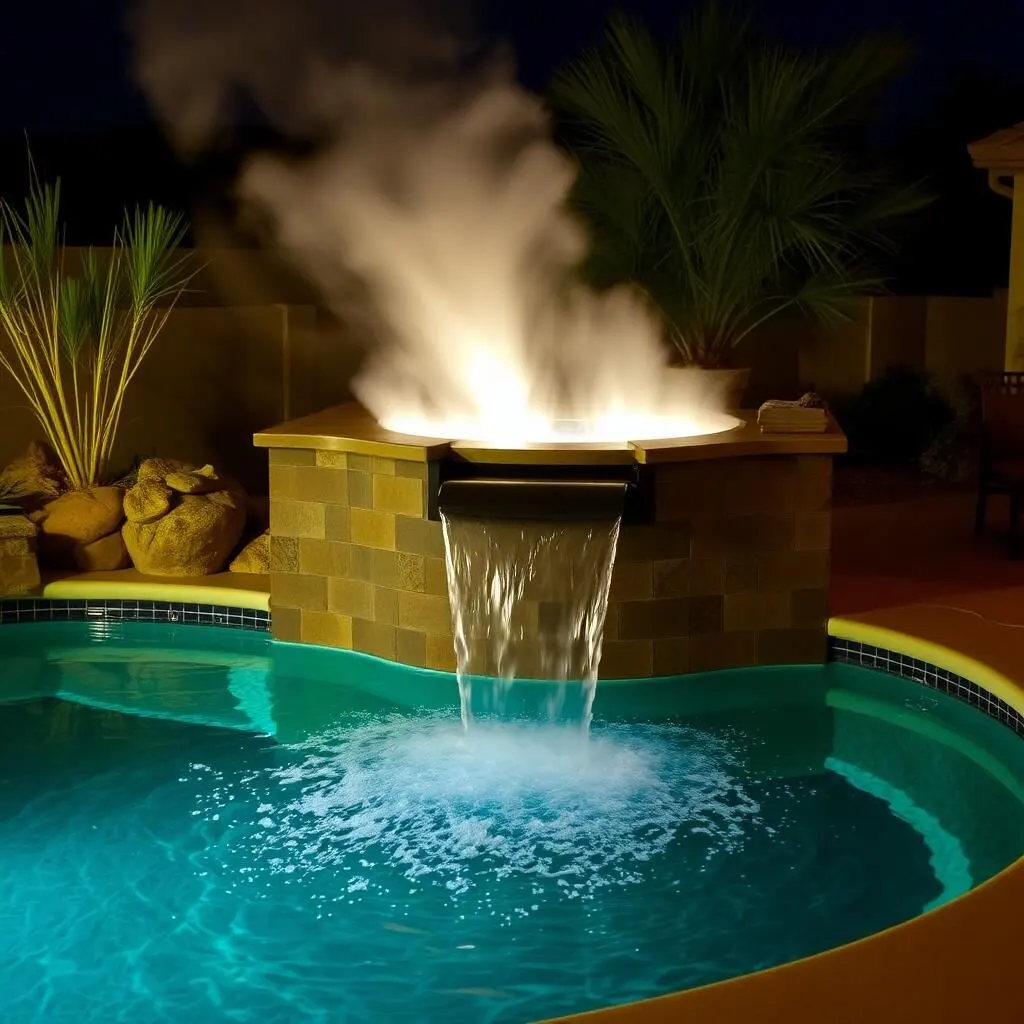
Attached spa (pool spa)
Shares filtration and heating with the pool. Spillover into the pool is iconic. Always-on water means it's ready in 15 minutes. Cost: $15K–$45K added to a pool build. Best for daily-use households that swim too.
Standalone hot tub
Acrylic or rotomolded shell, 110V or 220V plug-in, runs entirely independently. Cost: $5K–$18K including pad and electrical. Doesn't require a pool. Best for renters, condos, or homes where a pool isn't in the cards.
Operating cost
- Attached spa: shares pool pump and heater, marginal cost is heating the spa volume (~$15–$30/mo with weekly use).
- Standalone tub: $30–$60/mo if always-on, $15–$25/mo if cycled.
- Both: cover quality drives 80% of operating cost — a torn cover doubles your bill.
Lifestyle math
Attached spas get used more — they're already hot. Standalone tubs sit cold and unused if you cycle them off (45-min heat-up kills spontaneous use). Pick attached if it's a daily ritual, standalone if it's weekly.

