
Outdoor Lighting Color Temperature — Why 2700K Beats 3000K in Almost Every AZ Yard
The single biggest mistake in landscape lighting is wrong color temperature. Here's why warmer light makes your yard look like a resort, and cooler light makes it look like a parking lot.
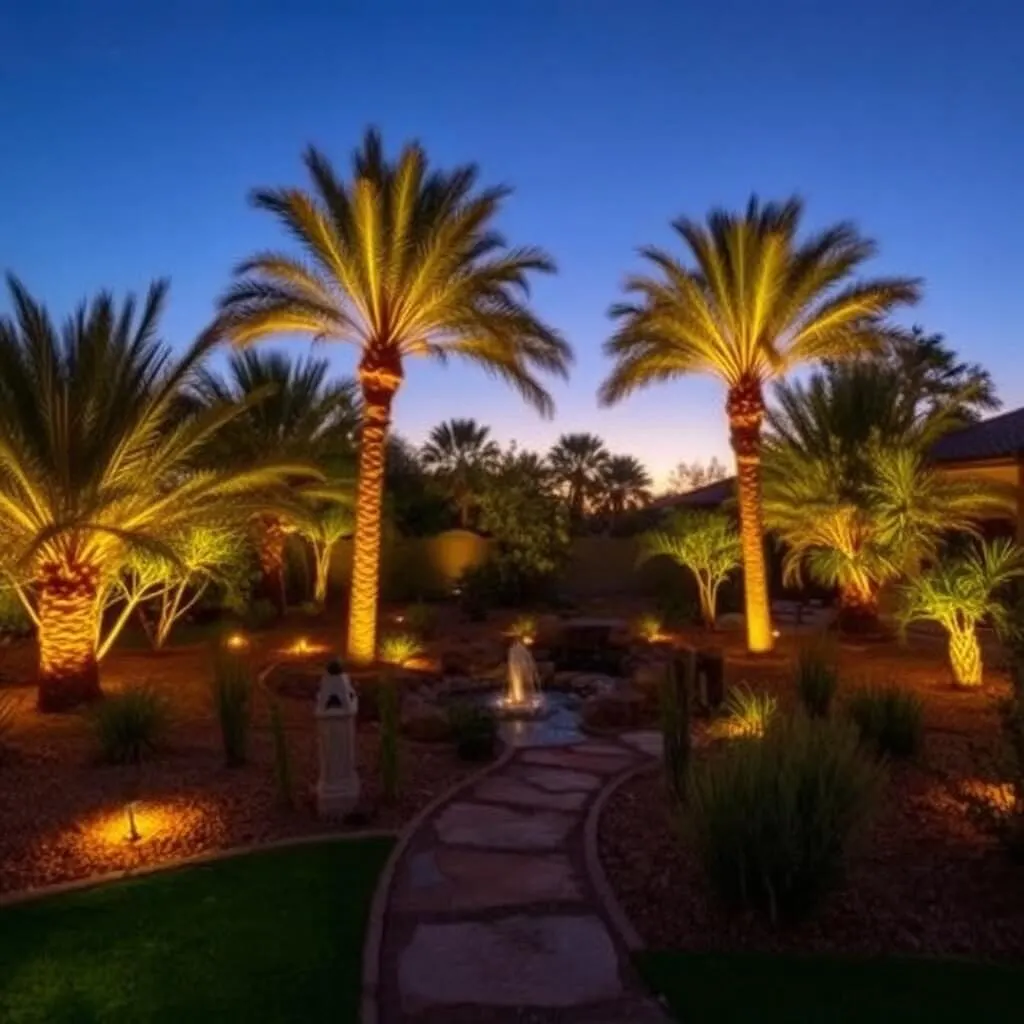
The color temperature scale
Measured in Kelvin (K). 2200K = candle flame. 2700K = soft incandescent. 3000K = warm white. 4000K = cool white. 5000K+ = daylight blue. Lower = warmer/yellower; higher = cooler/bluer.
Why 2700K for residential
Mimics sunset and candlelight. Makes skin tones, food, and natural materials look warm and inviting. Reads as 'resort.' Plants look healthy under it.
Why 3000K is too cool for most yards
Subtle shift toward blue. Makes water look cold, plants look gray-green, paver colors flatten. Often installed by default because LEDs ship at 3000K — but it's wrong for the AZ aesthetic.
Where cooler temperatures work
Commercial wayfinding (3500K). Tennis/sport court lighting (5000K). Security floods (5000K). Never inside the entertainment zone of a residential yard.
Mixing temperatures
Cardinal rule: pick ONE temperature for your decorative landscape lighting and use it everywhere. Mixed-temperature yards (2700K path lights, 3000K uplights, 4000K floods) look amateur and disjointed.

