

Fishhook Barrel Cactus
Ferocactus wislizeni
Fishhook Barrel Cactus is a protected Arizona native with hooked spines, a 3–6 ft mature planning height, summer crown flowers and substantial weight, lean and provenance requirements.
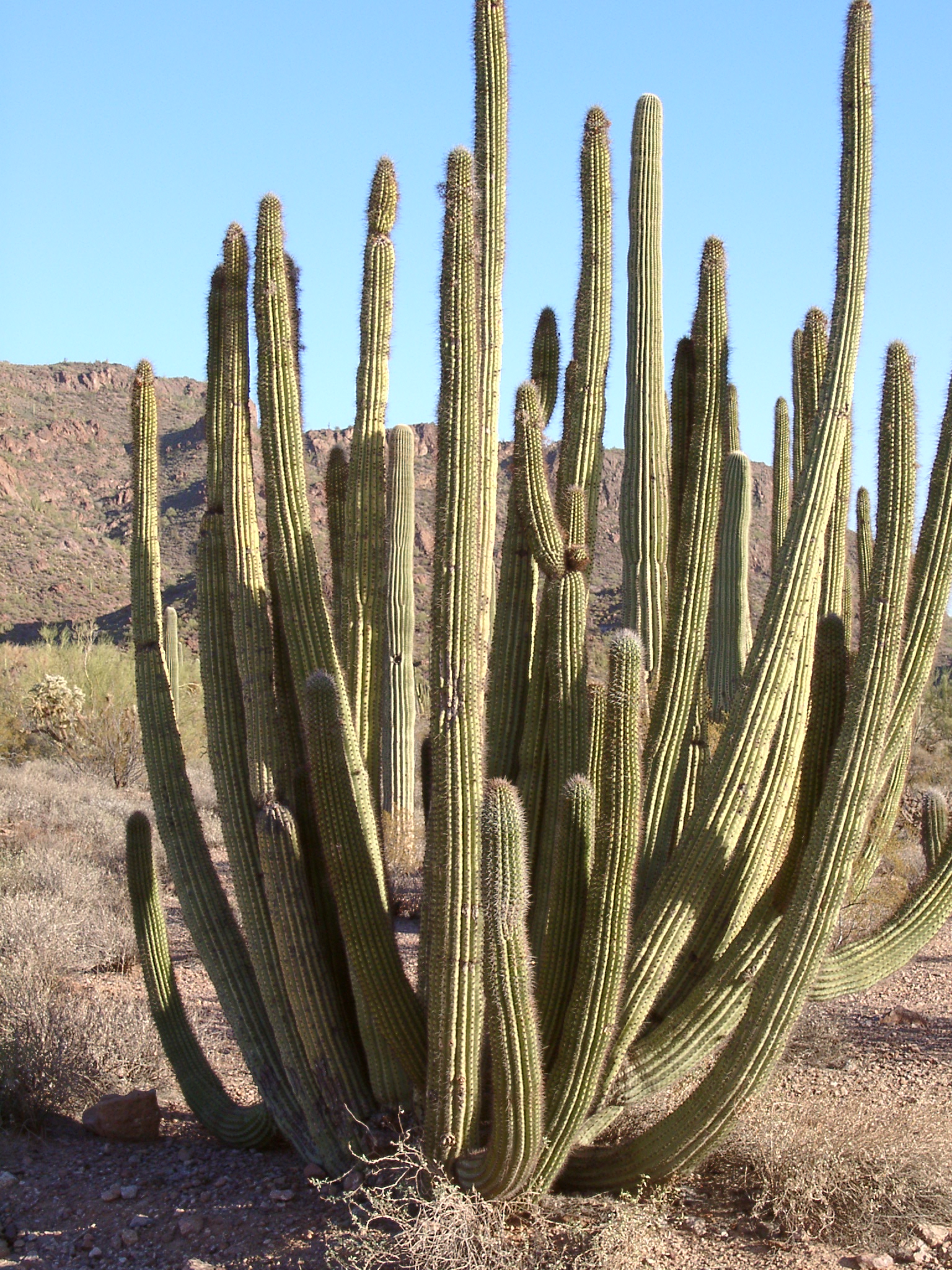
Bernard Gagnon / Wikimedia Commons / CC BY-SA 3.0 — license
Not sure if this plant belongs near your pool, wall, pavers, or foundation?
AE reviews microclimate, root intrusion risk, and soil compatibility.
Schedule: Very infrequent — often monthly or less once established. None when soil is cool and damp.
Emitters: Single low-flow emitter offset from base, or hand-watering only.
Overwatering is the #1 cause of cactus and agave loss. AE designs cactus zones on their own valve.
Arizona yards have very different microclimates. West-facing walls, glass, artificial turf, pavers, travertine, porcelain, and pool decking all increase reflected heat. AE considers these before confirming placement.
- Low root impact
AE verifies pool deck, paver, foundation, wall, and utility clearances before final planting.
Quick Facts
- Plant type
- Cactus
- Mature size
- Plan around 3–6 ft tall and roughly 2 ft wide; exceptional old plants can exceed that envelope
- Growth rate
- Slow
- Sun
- Full sun
- Water use
- Very low
- Bloom season
- Usually beginning July or August and continuing for several weeks; timing varies
- Flower color
- Yellow, orange, red or copper variation
- Foliage
- Green deeply ribbed stem with reddish hooked central spines aging gray
- Evergreen / Deciduous
- Evergreen
- Thorns / spines
- Severe
- Litter level
- Medium
- Pool area
- Avoid nearby
- Pet/kid placement
- Avoid near play areas
- Maintenance
- Very low
- Privacy value
- Low
- Shade value
- Low
- Native
- Arizona native
About Fishhook Barrel Cactus
Ferocactus wislizeni—with one terminal i—is Fishhook Barrel Cactus. The common misspelling F. wislizenii appears in search and nursery material but is not the canonical name. Arizona Barrel, Candy Barrel and Biznaga de Agua are useful alternate names. Kew gives the native range from Arizona through western Texas and northern Mexico, and the Arizona-Sonora Desert Museum documents it across Arizona Upland Sonoran Desert and upward into grassland and Chihuahuan settings. It is genuinely Arizona native. Usually solitary and deeply ribbed, the barrel becomes columnar with age. Plan around 3–6 feet tall and roughly 2 feet wide, while allowing exceptional old plants to exceed that envelope. The Desert Museum notes 5 feet or more tall and 2 feet wide. Stout hooked central spines begin reddish and age gray. Ribs, hooked spines and a crown of summer flowers and fruit are key identifiers. Older plants may lean, but direction varies and must never be sold as a navigation tool. Bloom often begins in July or August and can continue for several weeks, with yellow, orange, red or copper variation. Yellow fruit ripens broadly in fall or winter and may persist. Pollinator and wildlife use is real, but exact annual timing, color, fruit set and animal response vary. Give full sun to light shade and mineral, sharply or fairly well-drained soil. Acclimate nursery plants gradually and preserve known south orientation during transplant because even an Arizona native can sunburn when orientation or exposure changes. Established in-ground plants use very little supplemental water and may adapt to unwatered desert conditions, while occasional deep warm-season soaking can support growth. Always allow complete dry-down and keep cool-season irrigation conservative. Poor drainage, burial and heavy saturation raise rot and toppling risk; containers need closer warm-season monitoring. The Desert Museum documents hardiness to at least about 15°F, but provenance, age, exposure, duration and soil moisture control injury and recovery.
Best uses: A nursery-propagated or legally tagged Arizona-native specimen in a broad mineral bed with sharp drainage and a generous spine, fall and maintenance envelope
AE Designer Opinion
Design Uses
- Large native mineral bed
- Boulder composition with fall clearance
- Legally sourced Arizona-native statement specimen
Care & Maintenance
- Acclimate nursery plants gradually to full exposure.
- For transplanting, work in dry conditions, preserve the known south orientation and original planting depth, and use well-drained native or mineral soil.
- Delay and control establishment irrigation according to conditions, then allow complete dry-down.
- Keep winter and cool-soil irrigation especially conservative.
- Do not cut the crown or remove healthy spines; use experienced professionals for large, heavy moves.
Common Homeowner Mistakes
- Using the misspelling Ferocactus wislizenii as the canonical name
- Sizing from a nursery pot instead of a 3–6 ft mature barrel
- Claiming the direction of lean is a navigation tool
- Changing compass orientation abruptly or planting too deeply
- Overwatering cool soil or treating fruit and barrel fluid as universally safe to consume
Placement Warnings
⚠ All wild native cacti are protected under Arizona rules. Use nursery-propagated stock or properly tagged legal salvage, retain provenance and tag records, check current Arizona Department of Agriculture and local requirements, and use experienced professionals for large moves. Hooked spines, extreme weight, variable lean and toppling potential demand distance from walks, pools, play areas, doors, pets, equipment routes and fire-feature service zones. Ethnobotanical fruit use does not make an unidentified or chemically treated landscape cactus food. Never repeat the dangerous myth that cutting a barrel provides safe emergency drinking water.
- Provide a generous mature-barrel, hooked-spine, lean, fall and maintenance envelope.
- Keep away from walks, pools, play areas, doors, pets, equipment routes and fire-feature service zones.
- Use sharply drained mineral soil at the original planting depth; never bury the stem or crown.
- Verify legal nursery or salvage provenance and retain tags and records.
AE reviews final placement based on sun, irrigation, drainage, mature size, and overall design.
Pairs Well With
- Blue Palo Verde
- Brittlebush
- Desert Spoon
More Arizona Plants Like This




Ready to Build Your AE Plant Wishlist?
Add Fishhook Barrel Cactus and your other favorites to your wishlist, then send it to the AE design team for the final plant palette.