

Cardon Cactus
Pachycereus pringlei
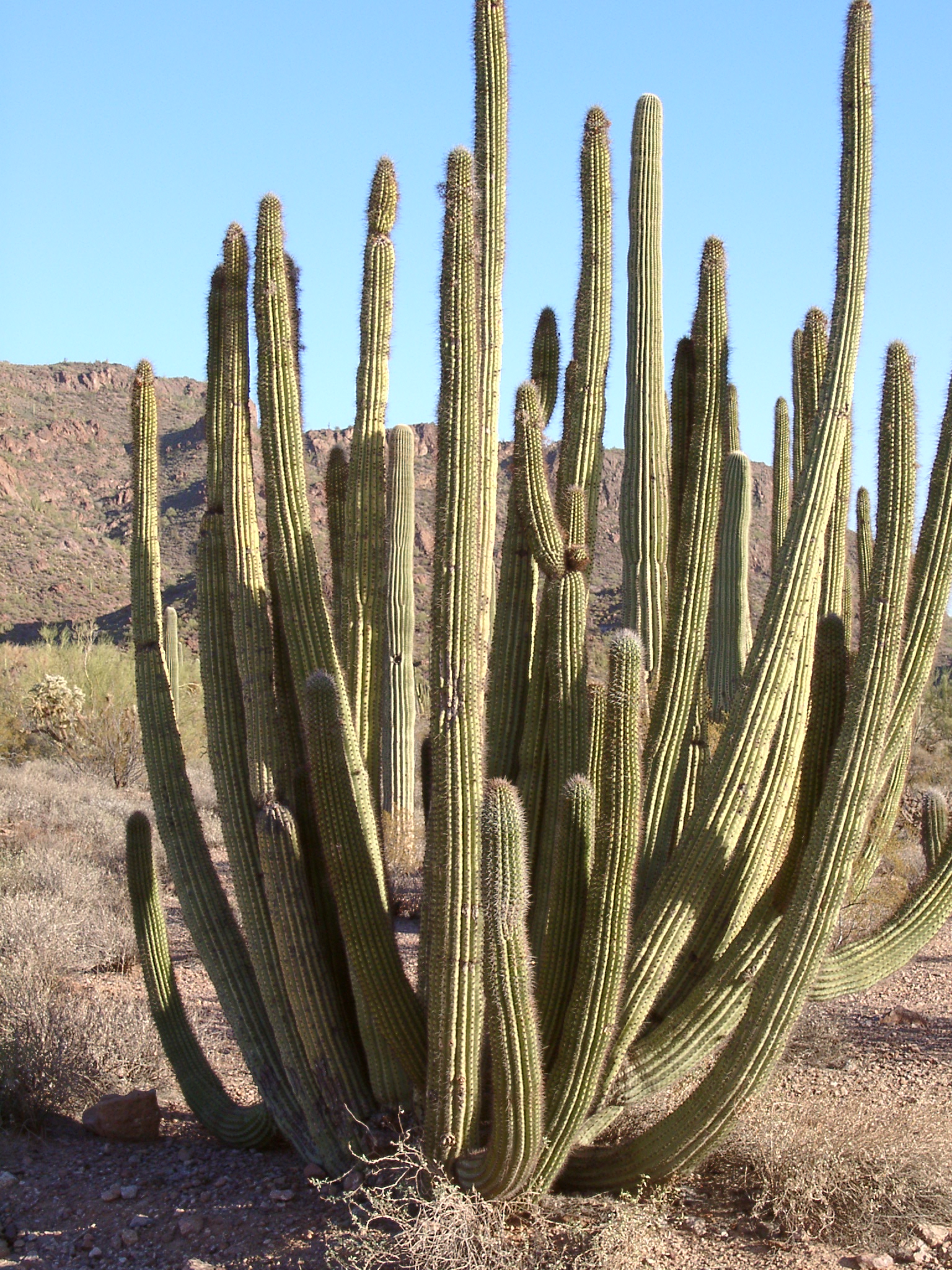
A massive Mexican columnar cactus with white spring flowers and a heavy, low-branching mature form suited only to generous, warm, permanently clear sites.
Amante Darmanin from Malta / Wikimedia Commons / CC BY 2.0 — license
Not sure if this plant belongs near your pool, wall, pavers, or foundation?
AE reviews microclimate, root intrusion risk, and soil compatibility.
Schedule: Very infrequent — often monthly or less once established. None when soil is cool and damp.
Emitters: Single low-flow emitter offset from base, or hand-watering only.
Overwatering is the #1 cause of cactus and agave loss. AE designs cactus zones on their own valve.
Arizona yards have very different microclimates. West-facing walls, glass, artificial turf, pavers, travertine, porcelain, and pool decking all increase reflected heat. AE considers these before confirming placement.
- Low root impact
AE verifies pool deck, paver, foundation, wall, and utility clearances before final planting.
Quick Facts
- Plant type
- Cactus
- Mature size
- 20–30 ft tall, 6–10 ft wide in residential design
- Growth rate
- Slow
- Sun
- Full sun
- Water use
- Very low
- Bloom season
- Spring, typically March–June
- Flower color
- White
- Foliage
- Blue-green stems
- Evergreen / Deciduous
- Evergreen
- Thorns / spines
- Severe
- Litter level
- Low
- Pool area
- Avoid nearby
- Pet/kid placement
- Avoid near play areas
- Maintenance
- Very low
- Privacy value
- Medium
- Shade value
- Low
- Native
- Desert-adapted
About Cardon Cactus
Cardon Cactus is native to northwestern Mexico, including Baja California and Sonora; it is desert-adapted in Phoenix, not an Arizona native. For residential design, AE plans around a realistic 20–30-foot height and 6–10-foot width. Exceptional wild specimens can approach 60 feet, but that is context, not the expected yard outcome. White flowers appear from spring into early summer, commonly March through June, opening late afternoon and remaining open into the next day. Bats, birds and insects pollinate them, and fruit follows. The plant grows slowly, wants full sun and fast-draining soil, and needs little supplemental water once established. Its weaknesses are as important as its scale: cardon is frost-sensitive in Phoenix, dislikes cold pockets and wet roots, and eventually develops a heavy, often low-branching structure armed with severe spines.
Best uses: A monumental columnar focal point for a large, warm Phoenix property with open sky, fast drainage and permanent clearance from structures and traffic
AE Designer Opinion
Design Uses
- Large-property architectural focal point
- Warm desert-modern entry viewed from a distance
- Open boulder and decomposed-granite composition
- Long-view specimen beyond active outdoor rooms
- Northwestern Mexico-inspired desert planting
Care & Maintenance
- Provide full sun and fast-draining mineral soil
- Water deeply and very infrequently after establishment
- Keep the crown dry and off high-frequency valves
- Protect from hard frost, especially while young
- Maintain permanent access clearance without cutting into mature structural stems
- Monitor the site as low branches gain mass
Common Homeowner Mistakes
- Using the exceptional wild size as the expected residential outcome
- Treating a young cardon as a narrow accent and ignoring future low branching
- Planting in a frost pocket because the summer exposure looks warm
- Running it on a frequent shrub irrigation schedule
- Placing it close to a house, utility or pool route
- Assuming it is native to Arizona rather than northwestern Mexico
Placement Warnings
⚠ Frost-sensitive in Phoenix. The heavy mature structure, low branching and severe spines require generous permanent clearance from buildings, utilities and people.
- Keep far from walks, gates, play areas and pet routes
- Do not place beside pool traffic, steps, equipment access or seating
- Allow 6–10 feet of residential design width plus maintenance clearance
- Keep clear of eaves, overhead utilities, walls and foundations
- Avoid cold pockets and exposed low areas where frost settles
- Require fast drainage and isolate from frequent irrigation
AE reviews final placement based on sun, irrigation, drainage, mature size, and overall design.
Pairs Well With
- Creosote Bush
- Brittlebush
- Blue Agave
- Golden Barrel Cactus
More Arizona Plants Like This




Ready to Build Your AE Plant Wishlist?
Add Cardon Cactus and your other favorites to your wishlist, then send it to the AE design team for the final plant palette.