
Polymeric sand vs jointing sand — what's the difference, and why polymeric wins on every Arizona paver install.
"Jointing sand" is the umbrella term for any sand swept into paver joints. In Arizona, the only jointing sand that survives monsoons, sprinklers, and 115° summers is polymeric — a jointing sand blended with a water-activated polymer binder. Regular (plain) jointing sand is the cheapest failure point in Phoenix hardscape. Polymeric costs a few dollars more per bag and delivers a joint that lasts 10–15 years instead of 18 months. This is why.
- AZ ROC 211530 · 347738 · 341002 · 340966
- Arizona-built since 2005
- President, Southwest Hardscapes Association
Polymeric sand vs plain jointing sand — the difference
- Plain jointing sand (a.k.a. joint sand, masonry sand, paver sand) is loose silica swept into joints — no binder, washes out.
- Polymeric sand is jointing sand with a water-activated polymer binder — installed dry, misted, then sets into a flexible bond.
- Same install location (the paver joint), radically different performance and lifespan.
- Cost delta: about $0.30–$0.60 more per sq ft installed for polymeric.
- Lifespan delta: 12–24 months (plain) vs 8–15 years (polymeric) in Phoenix.
What polymeric sand actually is
- Fine sand blended with a water-activated polymer binder.
- Installed dry, then misted to activate.
- Sets into a flexible bond — locks joints, still allows seasonal movement.
- Creates barrier against weeds, ants, and joint water infiltration.
Want a number for your own property?
Tell us the space and we'll come back with a real range for your site — no pressure, no "call for pricing."
What happens with regular jointing sand
- Washes out of joints in 12–24 months (monsoons, sprinklers).
- Pavers begin to rock and edges chip.
- Weeds germinate in empty joints.
- Ant colonies establish under the pavers via joint access.
- Joint water erodes the sand bed and base underneath.
- Fix cost: $3–$8/sq ft to reset. Polymeric costs $0.30–$0.60/sq ft more up front.
The correct polymeric install spec
- Pavers must be completely dry before starting.
- Sweep polymeric sand into joints in three passes.
- Plate compact once to settle sand.
- Blow paver faces clean — residue will haze and stain.
- Mist activate — fine spray, never a stream.
- Two mist passes 15 minutes apart. Cure 24–48 hours before traffic.
Signs your polymeric sand needs a top-up
- Joints sunk more than 1/8" below paver top.
- Ant tunnels visible at joint intersections.
- Weed sprouts appearing along multiple joints.
- Typically 8–15 years after install for residential use.
Polymeric sand cost in Phoenix (2026)
- 50-lb bag, contractor grade (Techniseal, Alliance Gator, SEK, SRW): $30–$45 retail.
- Coverage: 40–60 sq ft per bag at 3/8"–1/2" joints; 25–35 sq ft at wide joints (travertine, flagstone).
- Installed as part of an AE paver job: +$0.30–$0.60/sq ft over plain silica.
- Top-up-only visit on an existing patio (no reset): $1–$2/sq ft, minimums apply.
- Cost to reset pavers after plain-sand joint failure: $3–$8/sq ft. The math is not close.
Best polymeric sand brands for Arizona
- Techniseal HP NextGel — the reference product for 1/4"–3/8" joints, forgiving cure.
- Techniseal RG+ — wide joint (up to 4"), best for travertine, flagstone, and tumbled pavers.
- Alliance Gator Maxx G2 — high bond strength, popular for driveway installs.
- SEK Surebond SB-150 — commercial-grade, longest cure window.
- SRW Products — good mid-tier for residential patios.
- Big-box brands (Sakrete PermaSand, Quikrete PowerLoc) work but leave less margin for install error.
When NOT to use polymeric sand
- Permeable pavers over an open-graded base — use clean aggregate chip so joints stay draining.
- Joints narrower than 1/8" — polymer can't develop bond in the void.
- Any install that will see rain or irrigation inside the 24-hour cure — delay activation, don't chance it.
- Marble or delicate honed stone that's vulnerable to acid haze — test in a hidden corner first.
Troubleshooting: haze, cracking, crumbling
- Haze on paver faces = residue left before misting. Blow bone-clean next time. Fix with polymeric haze remover; never pressure wash.
- Cracking joints = flooded instead of misted, or traffic before 24-hour cure.
- Crumbling = insufficient water at activation. Sweep more polymeric in and re-mist.
- Sunken joints (>1/8" below chamfer) = time for a top-up, not a re-install.
- Ant tunnels at intersections = top-up needed; the joint has broken down at the deepest point.
AE's polymeric sand standard
- Every AE paver install includes polymeric joint sand — always.
- 3-year workmanship warranty on the joint (settlement, wash-out, cracking).
- Outdoor Guardian maintenance includes annual joint inspection.
- Top-up service available separate from install if you inherit a paver patio.
No morning dew, no sprinkler residue, no monsoon puddles. Any moisture activates the polymer prematurely and hazes paver faces.
Check the forecast and shut down affected sprinkler zones. Polymeric sand needs a controlled cure window after activation.
Distribute enough sand to cover the entire installed area — target roughly one bag per 40–60 sq ft, depending on joint width.
Use a stiff push broom to work sand deep into each joint in the first direction — long, deliberate strokes across the paver pattern.
Rotate 90° and sweep the joints again. The second pass fills the voids the first direction couldn't reach.
Spot-check every joint. Add more sand where it settled and sweep once more so every joint is filled just below the paver chamfer.
Run a plate compactor with a urethane or rubber pad across the whole surface once to settle the sand into every joint.
After compaction, joints will drop slightly. Add sand and re-sweep so the final level sits about 1/8" below the paver top edge.
Use a leaf blower at low speed to remove every grain from paver faces and chamfers. Any residue left behind will haze permanently once water hits it.
Two mist passes 15 minutes apart with a fan-spray nozzle. Saturate the joints, but never flood — standing water floats binder to the surface.
No foot traffic 24 hours, no vehicles 48 hours (per bag instructions). The polymer needs an uninterrupted cure to reach full joint strength.
Common questions.
Have a paver install with failing joints?
AE offers polymeric top-up and full joint re-install as a standalone service. Free assessment before we quote.
Start My Project PlanWhy this is an investment, not a cost.
An AE backyard is engineered to add daily livability and long-term home value. We publish honest ranges and build to code with a licensed and bonded Arizona crew. AE provides project-specific workmanship and manufacturer-warranty information in the signed agreement. Website summaries are for planning only.
- Licensed, bonded & insured in Arizona. ROC 340966 (R-62) · ROC 341002 (R-3) · ROC 347738 (KA-5) · ROC 211530 (CR-21). Most Arizona contracting work valued at $1,000 or more — or requiring a permit — must be performed by a properly licensed contractor, subject to statutory exemptions. Verify the legal entity, license status, and classification with the Arizona Registrar of Contractors.
- Real ranges, itemized scope. You see materials, finishes, equipment models, and a line-item budget before you sign — not a one-line "pool — $90,000."
Plan your investment with a designer.
Five minutes, a real range, and no sales pressure. Or vet any Arizona contractor (us included) before you spend a dollar.
Watch
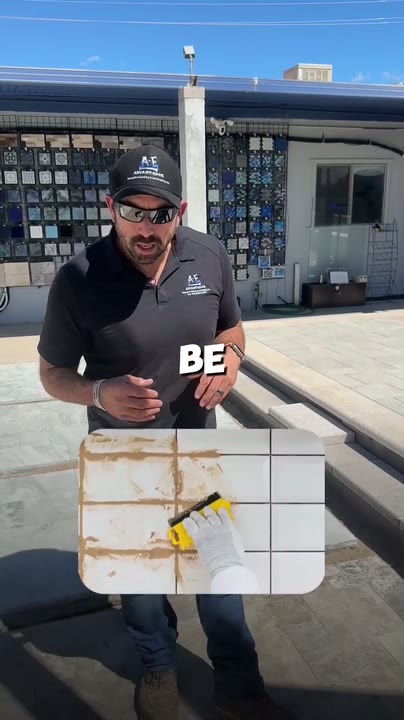
Polymeric sand — in David's words
Top paver questions — answered against the polymeric spec
The questions homeowners ask most on our paver patio, driveway, pool-deck, repair, and sealing pages — with the joint-sand answer and links back to the full topic.
What sand goes between paver joints on a patio?
Polymeric joint sand — always, on every AE paver patio. Plain masonry sand washes out in the first Phoenix monsoon and lets ants tunnel through. The joint sand sits on top of a 1" bedding-sand setting bed, which is a different sand entirely (concrete/washed sand, not polymeric). Two sands, two jobs.
Do driveway paver joints need polymeric sand?
Yes — driveways more than any other install. Vehicle tires, sprinkler overspray, and monsoon runoff strip a plain-sand joint in one season. AE spec on driveways is 4–6" ABC base, 1" bedding sand, and polymeric joint sand (typically Alliance Gator Maxx or Techniseal HP NextGel) rated for vehicle traffic.
What's the best joint sand for a paver pool deck?
A wide-joint polymeric — Techniseal RG+ or Alliance Gator Maxx — because splash, dragged feet, and chlorinated water erode a standard-joint formula. Travertine and tumbled pavers around a pool typically have 1/2"–1" joints that a fine-joint polymeric can't bond in.
Why do my paver joints keep washing out?
Nine times out of ten it's plain masonry sand where polymeric should be. The other cause is a failing base — if ABC underneath has migrated or the edge restraint is gone, joints will keep opening no matter what sand you sweep in. Diagnose the base and edge first, then re-joint with polymeric.
Do I still need to seal pavers if I use polymeric sand?
Polymeric locks the joint; sealer protects the paver face and can lock the joint further. They do different jobs. On a driveway or pool deck we recommend both. On a shaded patio, polymeric alone is often enough — sealing is optional and cosmetic (color enhancement).
How much does polymeric sand add to a paver install cost?
About $0.30–$0.60 per sq ft over plain silica sand — a rounding error next to a paver install and trivial compared to the $3–$8/sq ft cost of resetting pavers after plain-sand failure. On the paver-patio calculator, polymeric is built into every AE line item; you'll never see 'joint sand upgrade' as an add-on.
Can I re-sand old paver joints without lifting the pavers?
Yes — that's a polymeric top-up, not a re-install. Sweep new polymeric into the low joints, plate-compact, blow the faces bone-clean, and mist activate. Runs $1–$2/sq ft as a standalone visit. Only lift and reset pavers if the base or edge has failed underneath.
Does polymeric sand work with any paver brand or thickness?
Yes — brand and thickness don't change the joint spec. Belgard, Pavestone, Acker-Stone, AZ Best Block, Artistic — all use the same polymeric families. Thickness (60mm vs 80mm) affects base and traffic rating, not what goes in the joint. Match the polymeric formula to joint width, not paver brand.
Related base-science reading
Where polymeric sand shows up in an AE build
Full-scope paver installs — every AE joint is polymeric.
4–6 inch ABC + polymeric joints for vehicle traffic.
Manufacturer & format guide — pairs with the correct polymeric formula.
The other spec that separates a real paver install.
Wide-joint polymeric (Techniseal RG+) — the correct spec.
Splash-zone joints — where plain sand fails first.
More polymeric sand questions?
Install method, top-up schedules, and joint failure diagnosis — in the Hardscape section of the Homeowner FAQ.