

Yellow Bells / Arizona Yellow Bells
Tecoma stans
Arizona Yellow Bells brings repeated yellow bloom and an airy screening form, with variety identity, mature width, seed pods and frost recovery kept honest.
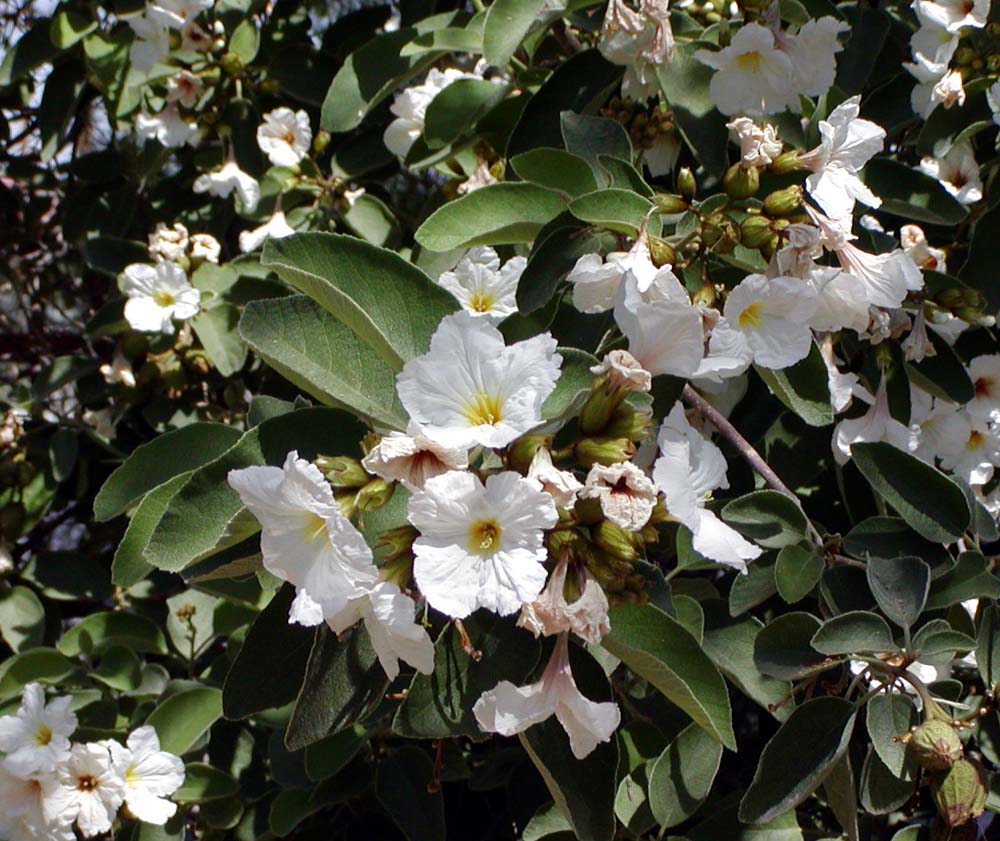
Filo gèn' / Wikimedia Commons / CC BY-SA 4.0 — license
Not sure if this plant belongs near your pool, wall, pavers, or foundation?
AE reviews microclimate, root intrusion risk, and soil compatibility.
Schedule: Weekly to twice-weekly in summer, less in cooler months.
Emitters: 1–2 emitters per shrub adjusted seasonally.
Most desert-adapted shrubs prefer drying out between waterings.
Arizona yards have very different microclimates. West-facing walls, glass, artificial turf, pavers, travertine, porcelain, and pool decking all increase reflected heat. AE considers these before confirming placement.
- Low root impact
AE verifies pool deck, paver, foundation, wall, and utility clearances before final planting.
Quick Facts
- Plant type
- Shrub
- Mature size
- Typically 6–12 ft tall and 6–10 ft wide for low-desert landscape forms; broad-leaf forms can become larger
- Growth rate
- Fast
- Sun
- Full sun
- Water use
- Low
- Bloom season
- Repeated flushes from spring into fall in warm Phoenix conditions
- Flower color
- Bright yellow
- Foliage
- Medium green
- Evergreen / Deciduous
- Semi-evergreen
- Thorns / spines
- None
- Litter level
- Medium
- Pool area
- Good with placement
- Pet/kid placement
- Use with care
- Maintenance
- Seasonal pruning
- Privacy value
- Medium
- Shade value
- Low
- Native
- Southwest native
About Yellow Bells / Arizona Yellow Bells
Tecoma stans is a variable American species with a broad native range through the Americas. The narrower-leaved southwestern form commonly sold as Arizona yellow bells is usually treated as T. stans var. angustata; that form is native to the southwestern United States and adjacent Mexico, including Arizona. This profile covers the landscape trade group without claiming that every nursery plant or documentary image is var. angustata. In low-desert design, plan an upright-to-arching shrub or small tree roughly 6–12 feet tall and 6–10 feet wide. Broad-leaf forms may grow larger in warm, irrigated sites, while named compact cultivars should be planned from their own verified specifications rather than inheriting straight-species dimensions. Bright yellow trumpet flowers arrive in repeated flushes from spring into fall under warm Phoenix conditions, but continuous bloom is not guaranteed. Long slender capsules follow, bringing seasonal litter and occasional volunteers. Full sun generally produces the strongest bloom and denser structure, though light shade is workable. Established Arizona-form plants can perform on low water; deep seasonal irrigation improves bloom and finish when soil drains and dries between irrigations.
Best uses: An informal flowering screen or accent with room for arching growth, bee and hummingbird activity, seed pods and seasonal renewal
AE Designer Opinion
Design Uses
- Informal flowering screen with room to arch
- Southwestern pollinator and hummingbird planting
- Warm-color accent against walls, stone and desert foliage
Care & Maintenance
- Plant in full sun to light shade; expect strongest bloom and denser structure in sun.
- Establish with deep irrigation, then water seasonally and allow well-drained soil to dry between cycles.
- Remove unwanted seedlings and pods where cleanup standards require it.
- Wait until frost danger passes before judging dead wood or making major renewal cuts.
- Selectively thin or cut back between major bloom cycles; avoid repeated box shearing that strips flowering tips and leaves a woody shell.
Common Homeowner Mistakes
- Calling every Tecoma stans plant or image the Arizona-native var. angustata
- Promising uninterrupted year-round bloom
- Assigning straight-species dimensions to every named compact cultivar
- Daily shallow watering or waterlogged soil
- Repeatedly shearing the shrub into a box and removing flowering wood
Placement Warnings
⚠ Hardiness near 20–25°F is approximate. Frost can cause partial or complete top dieback, and established roots often recover, but recovery depends on the event, plant and site. Bees and hummingbirds commonly use the tubular flowers, which is habitat value rather than a guaranteed visitor count. Tecoma stans is invasive in some tropical and subtropical regions outside Arizona; that is not a blanket Arizona invasive designation. Monitor and remove unwanted seedlings. Mature size, pollinator traffic, pods and possible suckering or volunteers call for thoughtful clearance rather than blanket pool, pet, child or low-upkeep guarantees.
- Allow 6–10 ft of mature width away from narrow entries, gates and tight pool circulation.
- Account for bee activity around flowers where people regularly brush past the canopy.
- Keep seed-pod drop and volunteers out of narrow drainage paths and hard-to-clean joints.
- Use a well-drained irrigation zone that can receive deep seasonal water and dry between cycles.
AE reviews final placement based on sun, irrigation, drainage, mature size, and overall design.
Pairs Well With
- Texas Sage
- Red Yucca
- Brittlebush
- Deer Grass
More Arizona Plants Like This




Ready to Build Your AE Plant Wishlist?
Add Yellow Bells / Arizona Yellow Bells and your other favorites to your wishlist, then send it to the AE design team for the final plant palette.