
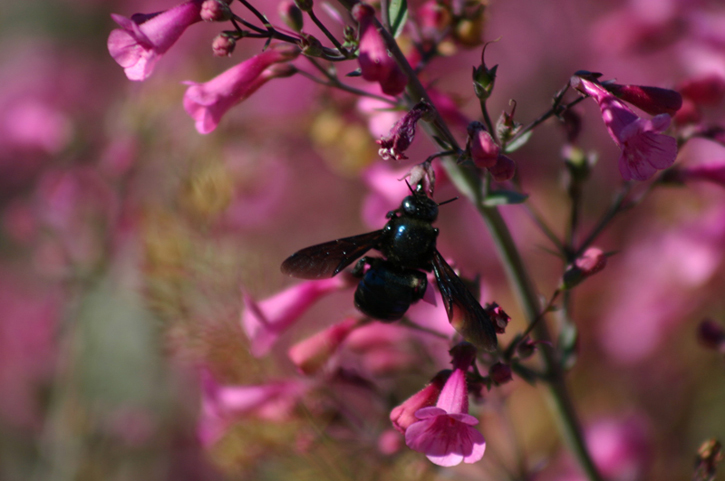
Parry's Penstemon
Penstemon parryi
Hot-pink flower spikes rising out of a blue-green rosette every spring — a southern Arizona native that brings hummingbirds, bees and butterflies to a low-water bed.
Not sure if this plant belongs near your pool, wall, pavers, or foundation?
AE reviews microclimate, root intrusion risk, and soil compatibility.
Schedule: Twice-weekly in summer, weekly in shoulder seasons.
Emitters: 1–2 emitters per plant, monitored during heat waves.
Flowering perennials, citrus, and lush accents need more attention than true desert plants.
Arizona yards have very different microclimates. West-facing walls, glass, artificial turf, pavers, travertine, porcelain, and pool decking all increase reflected heat. AE considers these before confirming placement.
- Low root impact
AE verifies pool deck, paver, foundation, wall, and utility clearances before final planting.
Quick Facts
- Plant type
- Flowering Perennial
- Mature size
- 1.5 ft tall, 1.5 ft wide
- Growth rate
- Moderate
- Sun
- Full sun
- Water use
- Low
- Bloom season
- Spring
- Flower color
- Hot pink
- Foliage
- Blue-green
- Evergreen / Deciduous
- Evergreen
- Thorns / spines
- None
- Litter level
- Low
- Pool area
- Great
- Maintenance
- Low
- Privacy value
- Low
- Shade value
- Low
- Native
- Sonoran native
About Parry's Penstemon
Parry's Penstemon is the spring event plant of a Sonoran planting. The plant itself is modest — a blue-green basal rosette holding around a foot and a half tall and wide with medium-textured foliage — but in spring it sends up slender spikes of hot-pink flowers that read from across the yard and draw bees, butterflies and hummingbirds all season. AMWUA records its native range as southern Arizona into Sonora and rates it hardy to about 15°F, well within Valley conditions. Water use is low, litter is low, and the plant is thornless and non-irritating, so it fits along walkways and near pool decks; AMWUA also notes it is rabbit resistant. Two practical points shape how it is used here. First, timing: planting in fall gives roots the cool season to establish and produces a far stronger spring bloom than a spring planting. Second, reseeding — this penstemon reseeds readily, so volunteers will appear in nearby gravel and beds. In a naturalistic desert design that is a feature; in a tightly controlled formal bed, it is something you will be editing each year.
Best uses: Signature spring color in native desert beds, hummingbird and pollinator planting near patios, vertical flower accent between boulders and low shrubs, fall-planted color for a spring show
AE Designer Opinion
Design Uses
- Spring color drifts in native Sonoran plantings
- Hummingbird, bee and butterfly planting near patios and windows
- Vertical flower accent between boulders and low mounding shrubs
- Naturalistic desert beds where reseeding is welcome
- Thornless, low-litter planting along walkways and pool decks
Care & Maintenance
- Plant in fall so roots establish through the cool season for a strong spring bloom
- Water deeply and infrequently; low use, with good drainage required
- Leave spent spikes to reseed the bed, or remove them for a tidier look
- Plant in drifts on roughly 18-inch centers
- Skip fertilizer; lean soil keeps the rosette compact
Common Homeowner Mistakes
- Planting in spring instead of fall and getting a weak first bloom
- Overwatering a low-water native and losing the rosette to rot
- Using a single plant where a drift is needed for the flower spikes to register
- Removing every spent spike, then wondering why the planting thins over years
- Expecting year-round color from a spring-blooming perennial
Placement Warnings
⚠ Bloom is concentrated in spring rather than year-round. The plant reseeds readily, so expect volunteer seedlings in nearby gravel and beds unless spent spikes are removed.
- Reseeds readily — not ideal for rigidly formal, tightly edged beds
- Spring-weighted bloom; the bed needs other plants for other seasons
- No screening or shade value at about 1.5 feet tall
- Keep off high-frequency irrigation shared with thirsty plants
- Needs good drainage; avoid low spots that hold water
AE reviews final placement based on sun, irrigation, drainage, mature size, and overall design.
Pairs Well With
- Brittlebush
- Damianita
- Angelita Daisy
- Trailing Rosemary
- Deer Grass
More Arizona Plants Like This


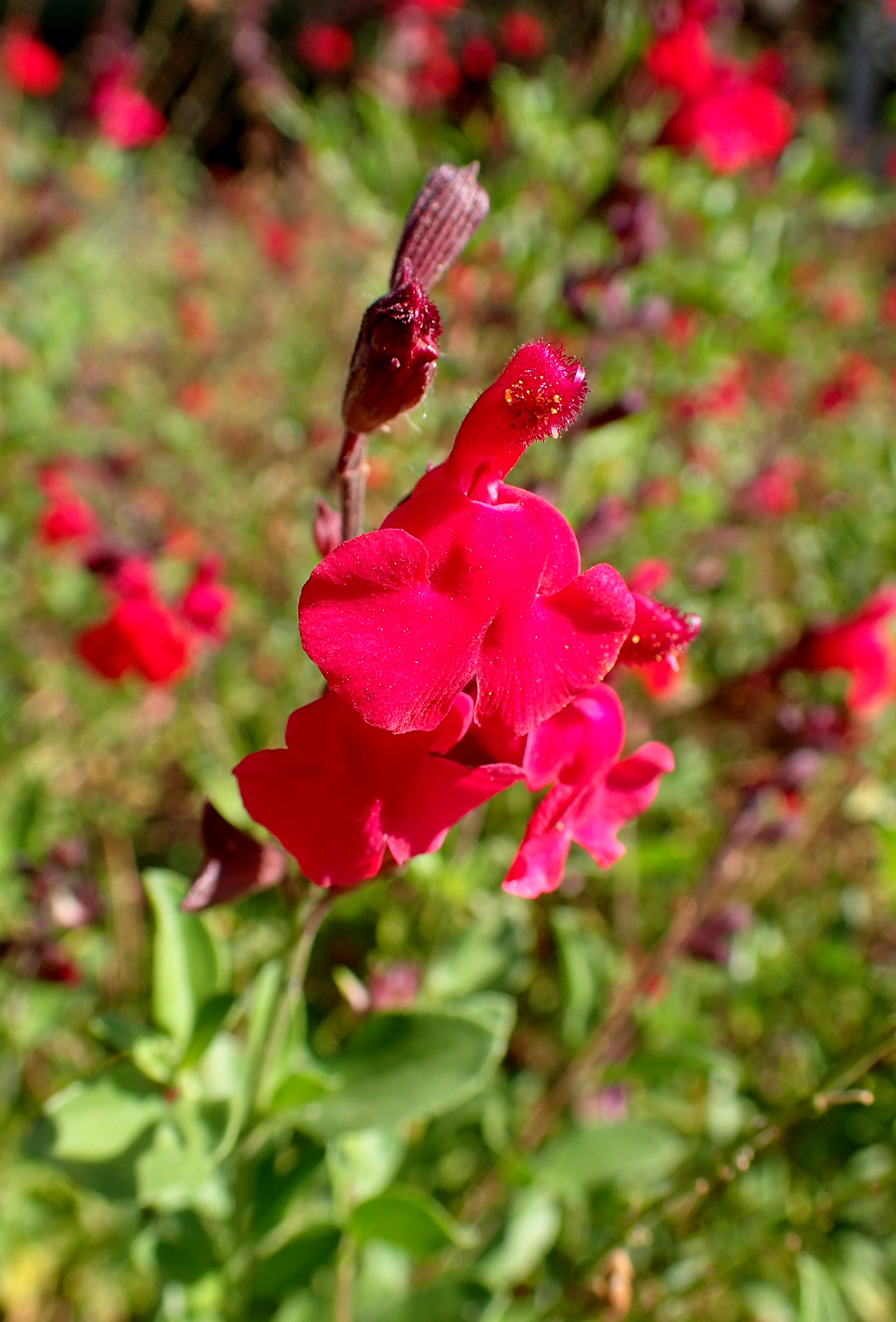
Ready to Build Your AE Plant Wishlist?
Add Parry's Penstemon and your other favorites to your wishlist, then send it to the AE design team for the final plant palette.