

Dwarf Myrtle
Myrtus communis 'Compacta'
Dwarf Myrtle is the named compact common-myrtle selection 'Compacta', valued for dense aromatic evergreen foliage but requiring honest 3–5 ft sizing, deep irrigation and selective—not constant—shearing.
Not sure if this plant belongs near your pool, wall, pavers, or foundation?
AE reviews microclimate, root intrusion risk, and soil compatibility.
Schedule: Weekly to twice-weekly in summer, less in cooler months.
Emitters: 1–2 emitters per shrub adjusted seasonally.
Most desert-adapted shrubs prefer drying out between waterings.
Arizona yards have very different microclimates. West-facing walls, glass, artificial turf, pavers, travertine, porcelain, and pool decking all increase reflected heat. AE considers these before confirming placement.
- Low root impact
AE verifies pool deck, paver, foundation, wall, and utility clearances before final planting.
Quick Facts
- Plant type
- Shrub
- Mature size
- Plan about 3–5 ft tall and wide; some plants can approach roughly 5–6 ft with age, irrigation, provenance and pruning
- Growth rate
- Slow to moderate
- Sun
- Full sun
- Water use
- Low
- Bloom season
- Broadly April–May in Phoenix; varies with pruning, weather and plant identity
- Flower color
- Small white flowers followed by variable blue-black fruit
- Foliage
- Small glossy aromatic green leaves
- Evergreen / Deciduous
- Evergreen
- Thorns / spines
- None
- Litter level
- Medium
- Pool area
- Use with care
- Pet/kid placement
- Use with care
- Maintenance
- Seasonal pruning
- Privacy value
- Medium
- Shade value
- Low
- Native
- Mediterranean-adapted
About Dwarf Myrtle
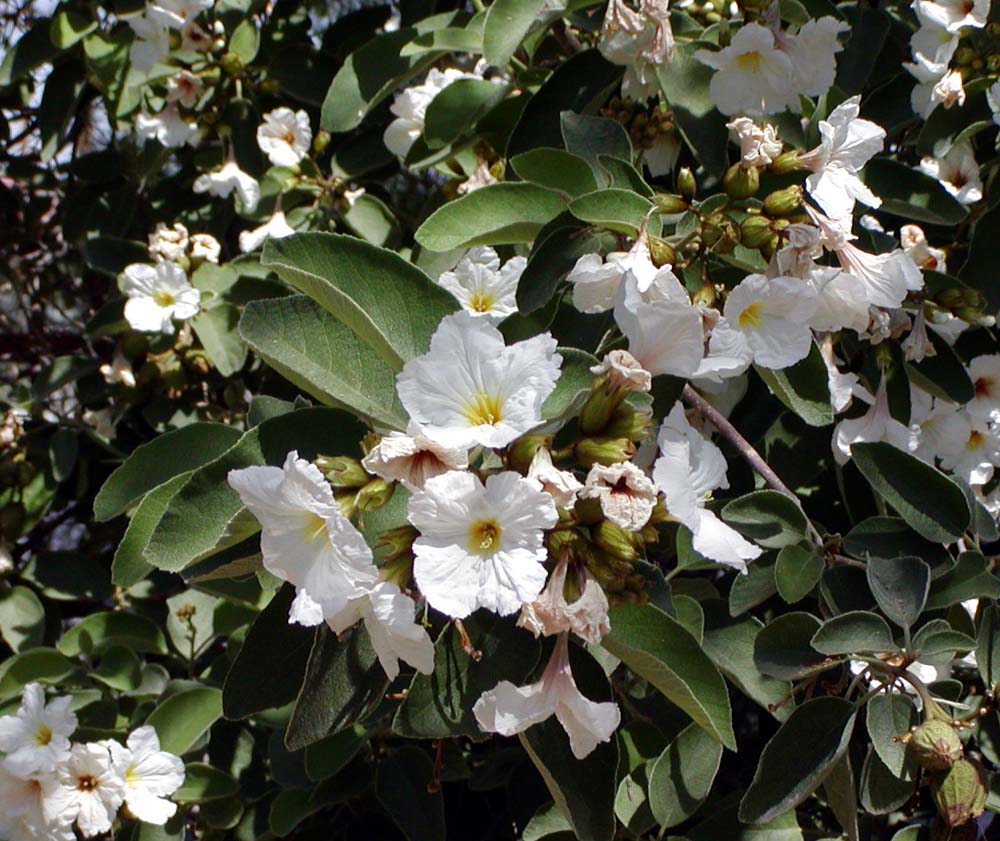
Myrtus communis 'Compacta' is a named compact selection of common myrtle, not a separate species and not a promise attached to every plant sold simply as Myrtus communis. The species is native around the Mediterranean and southwestern Asia; this cultivar is nonnative to Arizona. Plan a dense evergreen shrub around 3–5 feet tall and wide, while recognizing that nursery provenance, irrigation, age and pruning can allow some plants to approach roughly 5–6 feet. Do not use the species' much larger maximum as the expected size of 'Compacta', but do not promise a permanently tiny ball either. Small glossy aromatic leaves, white spring flowers broadly around April–May in Phoenix and blue-black fruit are useful seasonal traits. Flower and fruit production vary with pruning, pollination, weather and correct identity. Full sun to light shade works, and established plants tolerate Phoenix heat, but reflected west-wall exposure, root confinement and chronic drought still cause stress; afternoon relief can help in the hottest microclimates. Provide regular deep irrigation at a low-to-moderate frequency, with drainage and full dry-down rather than daily shallow watering. Establish carefully, move emitters outward as the root zone expands and avoid keeping the crown or trunk continuously wet. ASU notes iron chlorosis can occur in wet, highly alkaline soil above roughly pH 8.3; diagnose drainage, irrigation and soil conditions before prescribing iron. A planning reference near 20°F is useful, not a guarantee across age, exposure, provenance or freeze duration.
Best uses: A cultivar-verified compact evergreen shrub for a measured hedge or foundation bed with drainage, root volume and selective pruning access
AE Designer Opinion
Design Uses
- Measured compact evergreen hedge
- Foundation shrub with afternoon relief
- Structured courtyard planting outside tight pool circulation
Care & Maintenance
- Water deeply through establishment, then allow drainage and dry-down between irrigations.
- Move emitters outward as roots expand and keep water off the crown and trunk.
- Thin selectively to preserve living interior foliage and natural density.
- Avoid repeatedly cutting into leafless old wood or hard-shearing a permanent shell.
- Monitor hot, dusty plants for spider mites and diagnose stress before treatment.
Common Homeowner Mistakes
- Buying generic Myrtus communis and assuming it is 'Compacta'
- Promising a permanently 2-ft clipped ball
- Daily shallow watering or keeping the crown wet
- Treating chlorosis without diagnosing wet alkaline soil and irrigation
- Repeatedly shearing into a dead outer shell or leafless old wood
Placement Warnings
⚠ Spider mites and other stress-related pests can appear, especially on hot, dusty or water-stressed plants. Flowers, fruit, clippings, pollen and insects make tight pool coping or immaculate paving conditional. Aromatic foliage and landscape fruit do not establish universal allergy, pet, child, toxicity or edibility safety; never eat landscape fruit without verified identity and chemical history.
- Allow the 3–5 ft mature envelope rather than sizing from a clipped nursery ball.
- Avoid the harshest reflected west exposure, confined roots and continuously wet crown conditions.
- Keep flower, fruit, clipping and insect activity away from pool edges or immaculate paving where cleanup matters.
- Maintain access for selective thinning and emitter expansion without crowding walls, walks or equipment.
AE reviews final placement based on sun, irrigation, drainage, mature size, and overall design.
Pairs Well With
- Texas Sage
- Red Yucca
- Deer Grass
More Arizona Plants Like This




Ready to Build Your AE Plant Wishlist?
Add Dwarf Myrtle and your other favorites to your wishlist, then send it to the AE design team for the final plant palette.