

Natal Plum
Carissa macrocarpa
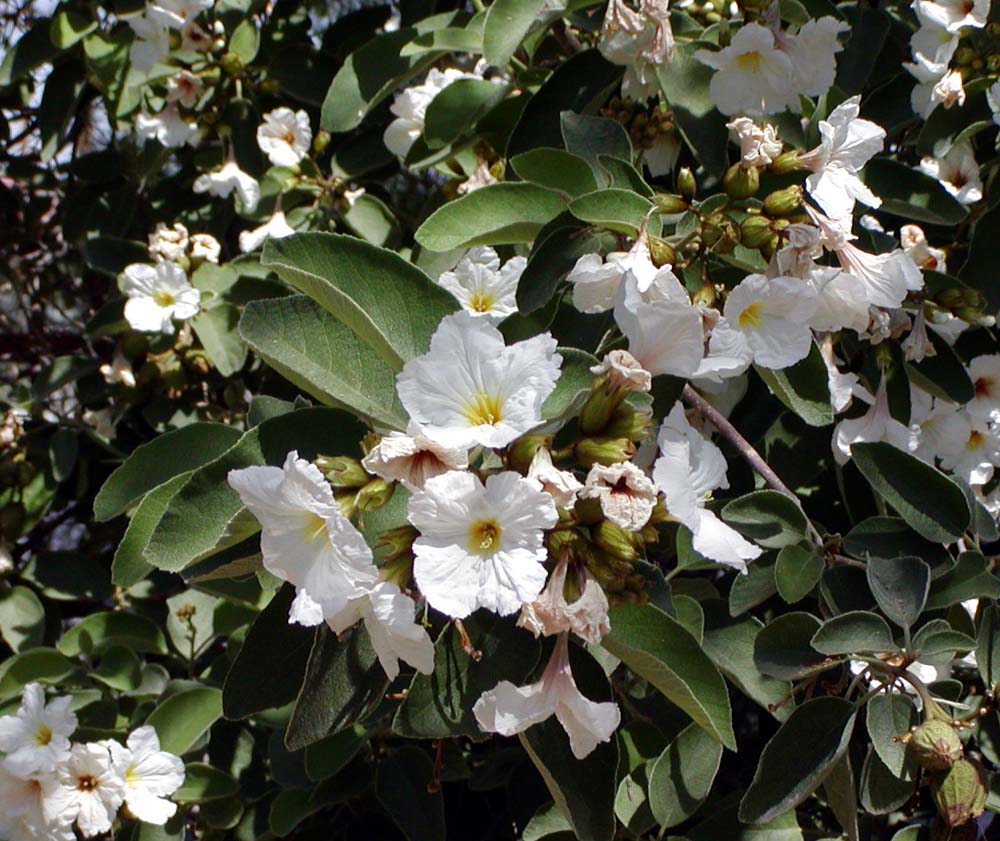
Glossy evergreen structure, fragrant white flowers and red-to-purple fruit give Natal Plum a lush presence. In Phoenix, moderate irrigation and generous clearance from its hidden spines matter more than a tightly clipped outline.
Why AE uses caution: Hidden Y-shaped thorns and unripe fruit toxicity.
See the full AE Use With Care libraryNot sure if this plant belongs near your pool, wall, pavers, or foundation?
AE reviews microclimate, root intrusion risk, and soil compatibility.
Schedule: Weekly to twice-weekly in summer, less in cooler months.
Emitters: 1–2 emitters per shrub adjusted seasonally.
Most desert-adapted shrubs prefer drying out between waterings.
Arizona yards have very different microclimates. West-facing walls, glass, artificial turf, pavers, travertine, porcelain, and pool decking all increase reflected heat. AE considers these before confirming placement.
- Low root impact
AE verifies pool deck, paver, foundation, wall, and utility clearances before final planting.
Quick Facts
- Plant type
- Shrub
- Mature size
- Around 7 ft tall; Around 7 ft wide
- Growth rate
- Moderate
- Sun
- Full sun
- Water use
- Moderate
- Bloom season
- Most prominent in spring; conditions affect repeat flowers and fruit
- Flower color
- Fragrant white; ripe red-to-purple fruit
- Foliage
- Glossy dark green
- Evergreen / Deciduous
- Evergreen
- Thorns / spines
- Sharp
- Litter level
- Medium
- Pool area
- Avoid nearby
- Pet/kid placement
- Use with care
- Maintenance
- Moderate
- Privacy value
- High
- Shade value
- Low
- Native
- Desert-adapted
About Natal Plum
Natal Plum is Carissa macrocarpa, also familiar under the synonym Carissa grandiflora. This South African species is nonnative to Arizona. Its dense rounded or mounding evergreen habit can reach around 7 ft tall by 7 ft wide; compact and dwarf selections exist, but a smaller plan needs an identified named selection and reliable nursery provenance. Full sun to partial shade can work, with moderate water in Phoenix and well-drained soil. White fragrant flowers are most prominent in spring and may be followed by red-to-purple fruit. Allow for fruit drop, staining and cleanup near pale paving, entries and pools. Cold injury becomes a concern near 26°F; exposure, duration and the individual site affect the outcome.
Best uses: Broad foundation beds with maintenance access; Rounded evergreen structure behind low accents; Screening where the full mature spread fits
AE Designer Opinion
Design Uses
- Broad foundation beds with maintenance access
- Rounded evergreen structure behind low accents
- Screening where the full mature spread fits
- Fragrant-flower interest away from contact corridors
- Lush planting against walls with fruit-cleanup access
Care & Maintenance
- Irrigate deeply, then allow dry-down in well-drained soil.
- Use moderate Phoenix irrigation rather than daily shallow watering.
- Selectively prune to preserve natural form and flowering wood.
- Plan spring flower interest and later fruit-drop cleanup.
- Assess cold exposure near 26°F; site conditions matter.
Common Homeowner Mistakes
- Planning a dwarf size without a named nursery selection
- Calling the plant low-water in Phoenix
- Keeping roots chronically wet
- Repeated tight shearing that reduces flowers and fruit
- Treating ripe-fruit use as a blanket edible-landscape claim
Placement Warnings
⚠ ASPCA lists Natal Plum as non-toxic to dogs, cats and horses, but that is not a pet-safe placement guarantee. Stout hidden forked or Y-shaped spines, fruit and milky sap still require judgment. Fully ripe fruit is eaten in some contexts; distinguish it from unripe tissue and milky latex/sap. Verify identity and appropriate preparation; do not eat chemically treated landscape stock.
- Keep stout forked spines away from narrow walks and gates.
- Do not crowd pool coping or pale paving with fruiting branches.
- Keep clear of play areas and dog runs.
- Allow around 7 ft of mature spread plus maintenance access.
- Milky sap and fruit require handling judgment even with the ASPCA non-toxic listing.
AE reviews final placement based on sun, irrigation, drainage, mature size, and overall design.
Pairs Well With
- Desert Museum Palo Verde
- Red Yucca
More Arizona Plants Like This



Ready to Build Your AE Plant Wishlist?
Add Natal Plum and your other favorites to your wishlist, then send it to the AE design team for the final plant palette.