Custom Splash Pads for Safe,
Backyard Water Fun
Give kids and guests a way to cool off; without the worry of deep water or the upkeep of a full pool. AE Outdoor Living designs and installs recirculating splash pads that fit your space, budget, and style.
Get Instant EstimateA real splash pad is basically a pool without standing water.
A lot of people think a splash pad is just a hose and some sprinklers in the yard, and that couldn’t be further from the truth. What we build is a true system, very similar to a swimming pool, just all hidden below ground.
The water is stored in a holding tank, filtered, cleaned, and recirculated just like a pool. You get all the cooling and play benefits without having standing water.
That’s why splash pads are so popular for families. Kids can play, cool off, and have fun without the constant supervision that comes with a traditional pool.
Designed as a complete underground system, not surface sprinklers.
Water is captured, filtered, sanitized, and reused efficiently.
Delivers safe play and cooling without open or standing water.
Why splash pads cost more than most people expect
Splash pads start higher because you are building an underground system with pumps, filters, plumbing, and treatment similar to a pool. Compared to building a pool, it is often half the cost or less while still delivering a similar experience.
What you are paying for
Splash pad pricing starts higher than most people expect because it’s a full pool system underground.
Most splash pads start around eighteen thousand dollars and can go all the way into the six figures. That big range depends on size, features, and finishes.
Even though the price range is wide, you’re getting pumps, filters, plumbing, and treatment systems just like a pool.
When you compare it to building a pool, a splash pad is often half the cost or less while still delivering a similar experience.
Cost drivers
The filtration system is sized based on total deck square footage; more jets and flow often require larger equipment.
Total square footage
Bigger decks need larger pumps, filters, and holding tanks.
Number and type of jets
More flow means bigger equipment to keep water circulating.
Surface material
Finishes can change prep, install time, and design detail.
Automation and lighting
Upgrades add control, convenience, and night-time impact.
Good, better, best with splash pads comes down to size, surfaces, and features.
The good option is small and functional; the better option adds upgraded decking and more interactive features; the best option turns the space into a mini water park with lighting, custom features, and larger layouts.
Covers the basics; built for budget-conscious families.
This usually includes a smaller footprint, a cool deck surface, and a handful of jets. It’s designed to be budget conscious while still delivering a true splash pad experience. This works great for families who want water play without going big.
- Smaller footprint
- Cool deck surface
- Handful of jets
- Simple, family-friendly setup
Upgraded surface; more play value for long-term use.
PA decking is very popular here because it’s durable and comfortable. You also get additional jets and a slightly larger layout. This is the sweet spot for most families looking for long term use.
- Upgraded decking (PA decking)
- More interactive jets
- Slightly larger layout
- Ideal long-term “sweet spot”
Full-scale splash pad with custom features and lighting.
This can include spray features, umbrellas, lighting systems, and custom layouts. The surface, features, and system are all upgraded. These builds typically land between forty thousand and one hundred thousand depending on complexity.
- Custom spray features
- Umbrellas and shade elements
- Lighting systems
- Larger custom layouts
Building a splash pad follows many of the same steps as building a pool.
Everything starts with layout, excavation, and underground systems; then filtration, jets, and decking. After that; startup and testing.
Everything starts with layout, excavation, and underground systems.
Everything starts with layout, excavation, and installing the underground holding tank and plumbing. From there, the filtration system, jets, and decking surface are installed.
- Design and layout
- Excavation and underground systems
- Plumbing and filtration install
- Decking and surface installation
- Startup and testing
Even though there’s no standing water, this is still a construction project.
Build time is usually three to four weeks depending on size and municipality. Residential splash pads move faster than commercial projects that require additional approvals.
There will be noise and disruption, but it’s significantly less than a full pool build.
Splash pads have a lot of feature options that affect both looks and function.
Key upgrades that change comfort and performance.
Surface type is a big decision because it affects comfort, durability, and long term maintenance. Lighting and automation can dramatically change how the splash pad is used.
Splash pads are highly customizable based on space and budget.
You can choose different spray heads, interactive features, and mounting plates. Popular options include palm trees, fire hydrants, and umbrella sprays. The system can be designed to fit almost any backyard layout.
How long does a splash pad take?
Most projects land in the two to three week range, but approvals and custom features can add time.
Typical completion window
Most splash pad projects take about two to three weeks to complete.
Residential builds
Smaller residential systems can sometimes be built faster.
Inspections and permits
Permitting and inspections can extend the timeline depending on location.
Commercial and childcare
Commercial or childcare applications usually take longer due to regulations.
Warranty, maintenance, and financing; the simple overview.
These systems are built like pools, so coverage is clear; upkeep is familiar; and financing can make the project easy to start.
Splash pads come with solid warranties.
Splash pads come with solid warranties depending on materials used.
- PA decking includes a lifetime warranty.
- Plumbing and features typically carry a two year warranty.
- Pumps and filters are covered for three years in most cases.
Maintenance is pool-like; just simpler.
Splash pad maintenance is very similar to pool maintenance, just simpler.
- The water is stored below ground, which keeps it cleaner longer.
- You still have filtration, chlorination, and sanitation systems.
- Overall maintenance is low and very manageable for homeowners.
Financing works like pool projects.
Splash pads can be financed just like pools and outdoor living projects.
- There are multiple financing options available depending on your goals.
- This allows you to build the splash pad without tying up all your cash.
- Financing is popular for families planning long term use.
Interactive Water Play—Without a Deep End
A splash pad is a flat, slip-resistant surface with built-in jets, sprays, and misters that turn on with a button or controller. It’s water play with no standing water, so you get the fun of a pool without the same safety concerns.
- Great for young kids, grandparents, and even pets who want to cool off.
- Recirculating systems filter and reuse water instead of constantly draining it away.
- Designed to pair beautifully with pavers, turf, or decorative concrete.

Understanding Splash Pads for Arizona Homes
A practical overview of how splash pads work, why they perform well in Arizona heat, and how they differ from pools.
Zero-Depth Water Play Design
Splash pads are ground-level water play areas with no standing water, making them safer by design.
Recirculating Water Systems
Water is filtered, treated, and recirculated through pumps before spraying through flush-mounted jets.
Lower Risk Compared to Pools
Without a deep basin, splash pads significantly reduce drowning risk and ongoing safety concerns.
Ideal for Extreme Arizona Heat
Splash pads perform exceptionally well in desert climates and provide fast, effective cooling.
Daily-Use Friendly Systems
With proper filtration and maintenance, splash pads can be used every day.
Designed for All Ages
While popular with kids, splash pads are also used by adults for cooling and entertaining.
Quiet and Neighborhood Friendly
Modern pumps run quietly, and water sound levels remain minimal.
Fully Customizable Layouts
Jet styles, spacing, lighting, themes, and controls can all be tailored to the space.
Splash Pad Pricing in Arizona; What Drives the Cost
Splash pads are a premium, safety-first water feature; but they’re typically more affordable than pools to build and maintain. Here’s how budgets are shaped and where the real value comes from.
Typical Residential Budget Range
Most Arizona residential splash pads fall in the $25,000 to $75,000+ range, depending on footprint, features, and finish level.
What Moves the Price the Most
The biggest cost drivers are size, surface material, number of jets, filtration setup, lighting, and the level of control automation.
Value vs Pools
Splash pads are typically more affordable than pools upfront and long-term, with fewer moving parts and no deep water.
Lower Maintenance Profile
Ongoing maintenance is usually lower than pools because the system uses fewer chemicals, less equipment, and simpler water management.
Financing and Project Flexibility
Financing options are commonly available, and many projects are designed so upgrades and additional features can be added later.
Bundling with Other Backyard Work
Pairing a splash pad with patio work or landscaping can reduce overall cost by sharing site prep, mobilization, and construction phases.
Why Many Families Choose Splash Pads
Splash pads improve backyard usability, deliver a safer water experience for kids, and add a strong “family appeal” factor to the property.
Home Value and Desirability
While value varies by neighborhood, splash pads can increase desirability, especially for buyers with young children who want safe outdoor fun.
Monthly Operating Costs Stay Manageable
Operating costs are typically reasonable because recirculation helps control water use, and energy demand stays lower than most pool systems.
Permits, Codes, and HOA Considerations
Splash pads in Arizona are regulated by plumbing, electrical, zoning, and HOA guidelines that must be addressed before installation.
Backyard Splash Pads Are Permitted Installations
Residential splash pads are allowed in Arizona when built with proper permits and code compliance.
Plumbing and Electrical Permits Are Standard
Most splash pads require plumbing and electrical permits due to pumps, filtration, and controls.
Permit Handling Is Included
AE Outdoor Living manages permits, inspections, and coordination with local authorities.
HOA Approval Is Often Required
Many Arizona HOAs require design approval before construction begins.
Pool Fencing Laws May Apply
Depending on municipality and HOA rules, fencing or barriers may be required.
Inspections Are Part of the Process
Splash pads typically require inspections during construction and at final approval.
Naturally ADA-Friendly Design
Flat, zero-depth splash pads are inherently accessible and ADA-compliant when designed correctly.
Commercial Codes Are More Strict
Commercial splash pads must meet additional safety, health, and accessibility requirements.
Small Lots and Slopes Can Still Work
With proper zoning, grading, and drainage, splash pads can be installed on compact or sloped properties.
All the Fun; No Deep Water
A real splash pad is not sprinklers on the surface. It is a true underground system that captures, filters, sanitizes, and recirculates water like a pool.
That means kids can play and cool off without standing water, and you still get a clean, controlled setup that fits your backyard layout.
The best splash pads feel simple to use because everything is planned below ground; pumps, plumbing, and features work quietly in the background.

Water Use and Arizona-Friendly Splash Pad Efficiency
A well-designed splash pad is built for desert living: recirculated water, efficient filtration, and cooling benefits without the heavy water demands of a traditional pool.
Recirculated Water Keeps Use Low
Splash pads typically use far less water than pools because the system filters and recirculates water instead of constantly refilling.
Designed to Avoid Water Waste
Water is not “wasted” when the system is built correctly. It is captured, filtered, and reused through a controlled recirculation loop.
Lower Evaporation Than Pools
Evaporation is usually minimal compared to pools, especially because water is moving and not sitting as a large, exposed body of water.
Drought-Friendly by Design
Splash pads are considered drought-friendly when properly designed because they deliver water play with efficient capture and reuse.
Compatible with Many City Guidelines
Most systems can be designed to align with Arizona water restrictions, depending on the city and how the system is configured.
Irrigation Reuse Options
In some cases, water can be reused for irrigation with proper separation and plumbing strategy, depending on local requirements and system design.
Hard Water Needs Correct Balancing
Arizona’s mineral-heavy water can affect performance if not managed. Proper balancing and filtration protect jets, valves, and the surface finish.
Salt Systems Are an Option
Salt chlorination systems can be added as an option, depending on the sanitation preference and overall equipment design.
No Overheating in Peak Summer
Splash pads do not typically overheat because water is flowing and constantly moving through the system, which helps maintain a cooler feel than standing pool water.
Evaporative Cooling Improves Comfort
Splash pads can cool the surrounding area through evaporative cooling, making patios and adjacent play zones feel more comfortable during hot months.
Slip Resistance, Jet Safety, and Family-Friendly Design
Built for real backyard use; safe surfacing, flush hardware, and smart planning reduce risk while keeping play areas fun.
Slip-Resistant Surface Systems
Splash pads use non-slip materials engineered for wet play environments.
Low Injury Risk with Proper Design
When designed correctly and used with supervision, injury risk remains low.
Flush-Mounted Jets
Jets are installed flush to reduce tripping and toe-stub hazards.
Optional Fencing
Fencing may be added based on code, HOA rules, or family preference.
Safer Than Kiddie Pools
No standing water and active filtration make splash pads safer and cleaner.
Mosquito Risk Reduction
Moving, treated water helps deter insects compared to stagnant water.
Pet Use Considerations
Pet use requires dedicated planning and filtration systems.
Child Safety Standards
Professional builds follow child safety and equipment placement standards.
Supervision Still Required
Even shallow water play areas require active adult supervision.
Toddler-Friendly Design
Gentle jets and proper surfacing make splash pads ideal for toddlers.
Design, Features, and Customization for Splash Pads
Splash pads can be built to feel like a true backyard destination; not just a wet area. When design is integrated with hardscape, lighting, shade, and controls, the result looks intentional and performs better in Arizona heat.
Backyard-Matched Layouts
Splash pads can be designed to match your patio lines and landscaping so the feature feels built-in, not added on later.
Popular Arizona Feature Mix
Ground jets, spray arches, misting features, and lighting are the most common combinations for high-impact play and comfort in Arizona heat.
Interactive Controls and Timed Cycles
Push-button activation and timed cycles are common because they keep the system fun and efficient; kids get interaction, and the system stays controlled.
Lighting That Extends Use into the Evening
LED and color-changing lights are popular add-ons because they make the area feel premium and keep the splash pad usable after sunset.
Shade Structures for Comfort
Shade is highly recommended in Arizona. Adding a pergola, ramada, or shade sail improves comfort and keeps the space usable during peak sun hours.
Seating and Lounging Zones
Benches, lounging areas, and adjacent seating walls are common because they create a parent-friendly hangout zone while kids play.
Theme and Style Direction
Splash pads can be themed to match your aesthetic: modern, desert, playful, or artistic. The surface pattern, jet selection, and lighting style make the theme feel intentional.
Turf Pairing for Comfort and Clean Lines
Artificial turf works exceptionally well around splash pads because it’s comfortable underfoot and keeps the surrounding area cleaner than dirt or gravel.
Nearby Fire Features with Proper Separation
Fire features can be placed near splash pad zones when the design includes correct heat separation and permitting. This creates a true multi-season backyard.
Built to Complement Pool Environments
Splash pads can be built near pools and often complement pool designs by adding a safe, shallow-play zone that still feels cohesive with the overall backyard plan.

Cool Play, Clean System
A proper splash pad is a recirculating system below ground. Water is captured, filtered, sanitized, and pushed back through the features.
That means no standing water, and a cleaner experience that still feels like the fun part of a pool day.
Built right, it looks simple above ground, because all the work happens underneath.
Maintenance, Operation, and Long-Term Performance
Splash pads are easier than pools, but they still need routine care: filtration, water treatment, and seasonal shutdown planning.
Lower Maintenance Than a Pool
Splash pads require less work than pools, but regular care is still needed to keep water safe and systems reliable.
Water Treatment Is Part of Ownership
Chemicals are used to maintain safe water quality, especially in recirculating systems.
Routine Filter Cleaning
Filters are typically cleaned weekly or based on the manufacturer’s schedule and usage level.
Service Options Are Available
Maintenance can be outsourced; AE Outdoor Living offers service and support options.
Long Lifespan with Proper Care
With consistent maintenance, splash pads commonly last 10–20+ years.
Serviceable and Replaceable Components
If a pump fails, components can be repaired or replaced without rebuilding the entire pad.
Modular Jets and Controls
Most jets and control parts are modular, making replacement straightforward.
Seasonal Shutdown and Winter Prep
Splash pads can be shut down seasonally; winterization protects equipment during freezing temperatures.
Heating Options for Extended Use
Heaters can be added to extend seasonal comfort and allow longer annual use.
Installation Timeline and AE Outdoor Living Expertise
A splash pad is a real construction project; not a weekend DIY. When design, plumbing, electrical, and controls are coordinated from the start, the system performs better and lasts longer in Arizona conditions.
Realistic Timeline for a Quality Build
Most splash pad installations take about 3 to 6 weeks, depending on scope, surface, features, inspections, and scheduling.
Year-Round Installation in Arizona
Splash pads can be installed year-round in Arizona when weather cooperates, and the schedule is planned around other backyard construction phases.
In-House Design from Concept to Completion
AE Outdoor Living designs splash pads in-house so the layout, jets, surface, and surrounding hardscape work together as one cohesive backyard plan.
Plumbing and Electrical Coordination
Plumbing and electrical are coordinated as part of the project so filtration, pumps, lighting, and controls are installed correctly and safely.
Electrical Requirements Vary by Scope
Many splash pads require a dedicated electrical circuit depending on the size of the system and the features included, especially when lighting and smart controls are added.
Smart Controls and Remote Operation
Programmable and remote control systems are available, allowing you to manage run times, cycles, and features for efficiency and convenience.
Designed for Future Expansion
Splash pads can be designed for growth so additional jets, lighting, zones, or features can be added later without rebuilding the entire system.
A Strong Fit for Rental Homes
Splash pads are a great option for rental properties because they’re durable, safer than deep water, and typically easier for owners to manage long-term.
Insurance Considerations
Insurance requirements can differ from pools, and many homeowners find splash pads easier to insure. It’s still smart to confirm details with your carrier.
Fun Up Top, Engineering Below
A real splash pad is a recirculating system underground. Water is captured, filtered, sanitized, and pushed back through the jets.
That means no standing water, a cleaner play zone, and a setup that feels simple because the hard work is hidden under the surface.
Built right, it fits your yard like a custom feature, not an add-on.

Planning, Quotes, and Final Considerations
From the first site evaluation to smart controls and future upgrades; this section covers what homeowners ask right before moving forward.
Start with a Site Evaluation and Design Consultation
The first step is reviewing your space, goals, utilities, and layout so the design fits the yard and the way your family uses it.
Quotes Are Built from On-Site Planning
A proper quote comes from an on-site consultation with AE Outdoor Living, including design scope, equipment, and permitting needs.
Ongoing Inspections Are Rare for Residential Pads
After final approval, residential splash pads typically do not require ongoing inspections.
Phased Builds Allow Future Upgrades
Splash pads can be installed in phases when the design anticipates future features like extra jets, lighting, and automation.
Quiet Operation with Smart Scheduling
Splash pads are typically quiet, and timers prevent late-night operation.
Automatic Shutoff and Smart Controls
Timers and smart controls can manage runtime, reduce waste, and keep usage predictable.
Eco-Friendly Compared to Pools
Splash pads can be environmentally friendly, especially when compared to traditional pools.
Insurance Impact Is Usually Lower Than Pools
Most homeowners see fewer insurance concerns than a pool, but policies vary by provider and features.
Great Fit for Multi-Family Properties
Multi-family homes can use splash pads effectively with proper design, permitting, and shared-use planning.
Residential Builds Can Be Commercial-Grade
Commercial-grade components can be used in residential installs when higher performance and durability are desired.
Built to Last in Arizona, Designed to Fit the Whole Backyard
When materials, joints, drainage, and code requirements are handled correctly, a splash pad stays clean, safe, and comfortable long-term; and it integrates naturally with kitchens, audio, and entertainment zones.
Heat-Smart Construction Prevents Cracking
Splash pads do not crack from Arizona heat when the build includes proper materials, correct installation, and expansion joints designed for temperature swings.
UV-Resistant Materials Reduce Discoloration
Discoloration stays minimal when the surface and coatings are UV-resistant and selected specifically for long-term outdoor exposure.
Resurfacing Keeps the Feature Looking New
If the surface ever needs a refresh, splash pad finishes can be resurfaced so the space can look new again without rebuilding the entire system.
Slip-Resistance for Real-World Use
Splash pad surfaces are designed to be slip-resistant for everyday conditions, helping keep play safer even as the area transitions between wet and dry use.
Outdoor Audio Fits Naturally Nearby
Music and speakers can be integrated around the splash pad zone, creating a true entertaining space that works for parties, weekends, and evenings.
Backflow Protection Is a Code Requirement
Backflow preventers are required by code to protect the water supply. A professionally designed system includes this from the start, not as an afterthought.
Designed to Work Near Outdoor Kitchens
Splash pads can be installed near outdoor kitchens when drainage, layout, and traffic flow are planned correctly so both areas stay clean, safe, and functional.
Comfort Boost Beyond the Splash Zone
Splash pads can reduce backyard heat overall by adding evaporative cooling and turning hot, unused space into something that feels livable again.
A Strong Family Upgrade in Arizona
For families, splash pads are absolutely worth it because they add safe play, daily use, and comfort without the same long-term demands of deep-water features.
Why AE Outdoor Living
AE Outdoor Living designs, permits, builds, and maintains splash pads engineered specifically for Arizona conditions so the feature performs right and lasts long-term.
Big Fun, Low Stress
Splash pads are becoming a favorite in Arizona neighborhoods because they deliver all the fun of water play with less risk and less work than a traditional pool.
With no deep end and no place to submerge, splash pads are a parent-approved option for toddlers and young swimmers.
Smaller systems are easier to manage than a full pool and don’t require constant skimming, vacuuming, or heavy chemical use.
Our pads use filtration similar to a pool but recirculate water through a holding tank so it isn’t wasted with every play session.
Because there’s no large basin, splash pads can fit where a standard pool can’t—perfect for compact backyards or shared community spaces.
Real-World Backyard Water Fun
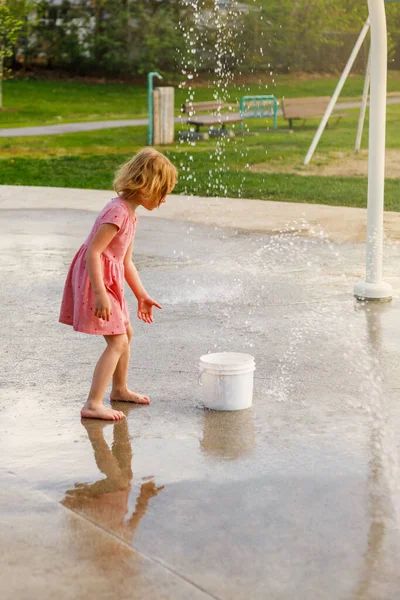
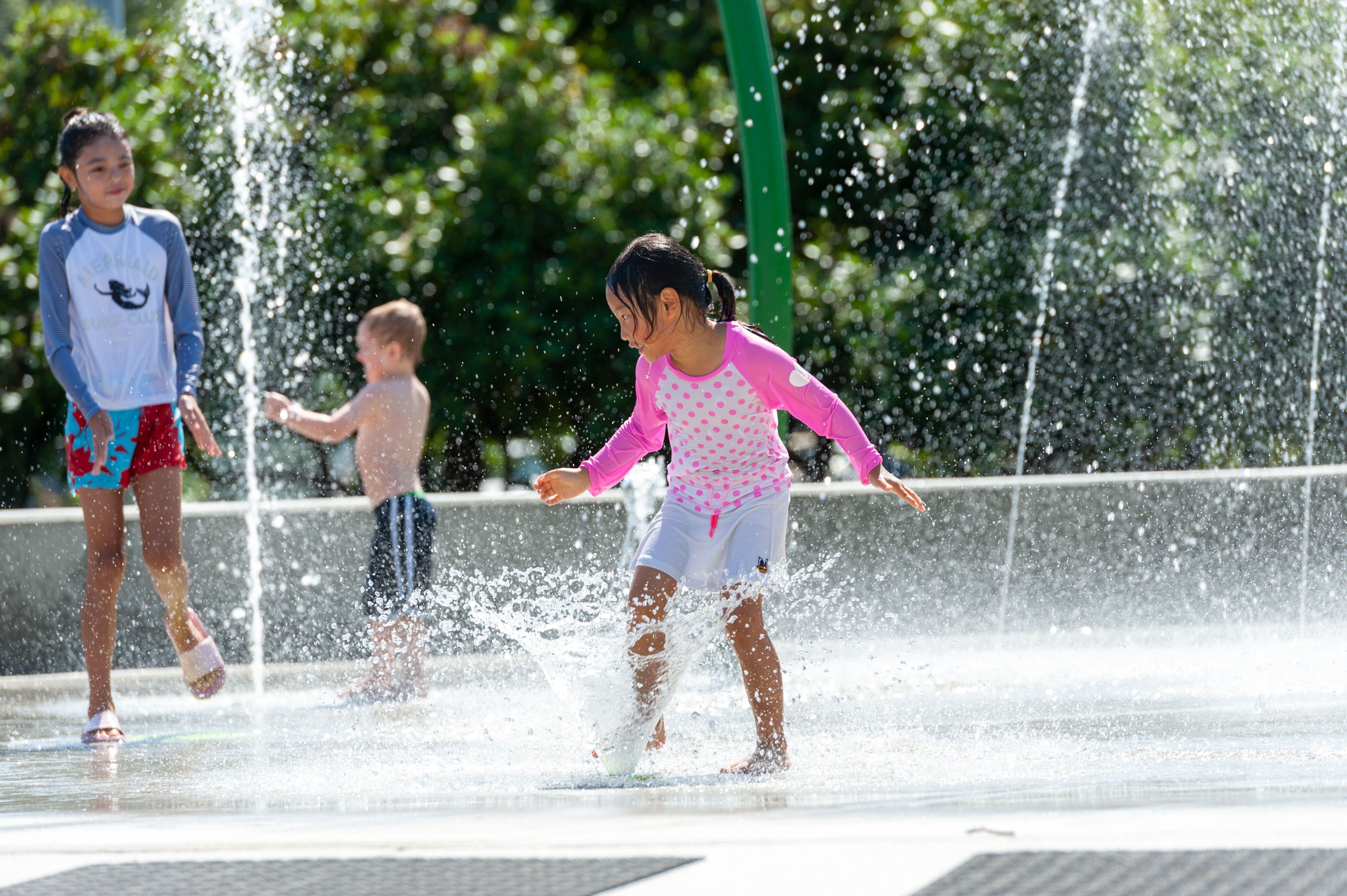
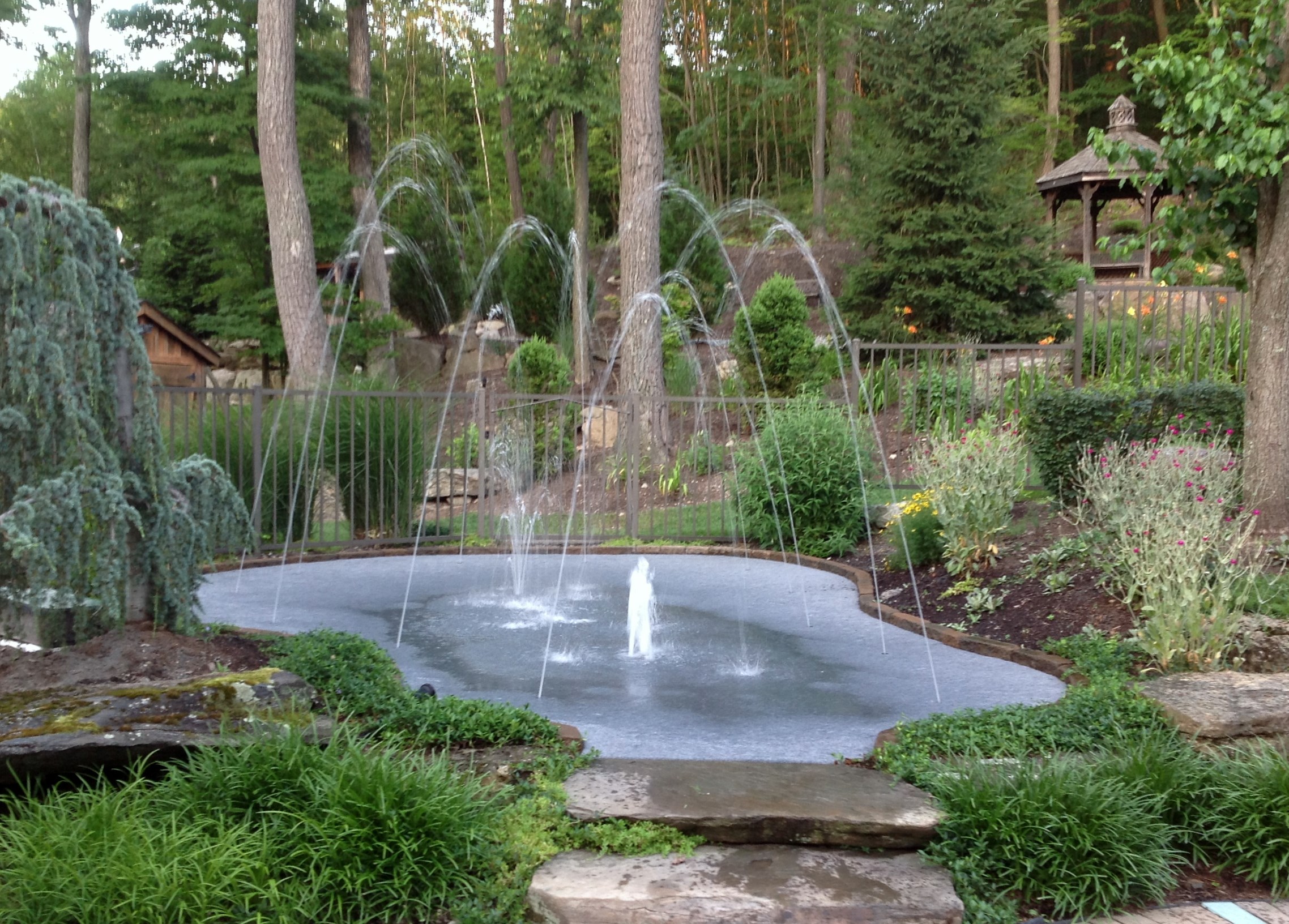
Take a look at the kinds of kid-friendly splash zones we can create—from simple pads to full backyard play courts with jets and lights.

Ready to Add a Splash Pad to Your Outdoor Space?
Tell us a little about your property, who will be using the splash pad, and your ideal budget. We’ll design a custom layout and provide a clear proposal so you know exactly what to expect.
