9715 W Peoria Ave, Peoria, AZ 85345
PAVER INSTALLATION • PATIOS • WALKWAYS • DRIVEWAYS

Custom Paver Patios
That Stand Up to Arizona Sun

AE Outdoor Living designs and installs paver patios, walkways, and pool decks that look beautiful and work hard; built for intense heat, heavy use, and low maintenance so you can enjoy your yard instead of worrying about it.

Get Instant Estimate Serving Peoria and the greater Phoenix area since 2005.
WHY PAVERS

Beautiful Hardscapes Built on a Proper Base

We don’t just “lay pavers.” Our team engineers the base, drainage, and edge restraints so your patio, pool deck, or walkway performs as good as it looks. From the first shovel of dirt to the final polymeric sand, we follow industry best practices for long-term stability.

Whether you’re updating an old concrete slab or starting from scratch, we’ll recommend the paver style, color blend, and layout that fits your home’s architecture and your budget.

Engineered base & compaction. Proper excavation, geo-fabric when needed, and crushed stone base to reduce settling and heaving.
Drainage-aware design. We set slopes and transitions so water flows away from your home, doors, and pool edge.
Professional edge restraints. Concrete or edge systems keep your paver field locked in and looking sharp.
Premium materials. We work with high-quality concrete pavers and natural stone chosen for Arizona’s climate.

ABOUT OUR PAVER INSTALLATION

Custom pavers that look great and hold up over time.

We install pavers for driveways, pool decks, patios, and walkways so you get a custom hardscape that looks great and holds up over time.

Pavers have a ton of different applications. You can use them for driveways, pool decks, patios, and walkways, and they come in all kinds of materials. There are standard concrete pavers, natural stone options like travertine, and even porcelain pavers, so there is a lot to choose from depending on the look you want and the budget you are working with. For a patio especially, pavers are a really nice upgrade over traditional concrete.

Because there are so many options, we can dial in something that fits your price range, application, and design style. Maybe you are after a simple, clean concrete pattern, or maybe you want a larger format, textured paver or a natural stone for that higher end feel. The idea is to pick the right product and layout for how you plan to use the space, not just throw something down because it is on sale.

In our installs, we focus on doing it the right way so your pavers stand the test of time. That means proper base, proper sand, and proper jointing materials instead of shortcuts that look good for a few months and then start failing. If you decide to work with us at AE Outdoor Living, the goal is to give you a paver project that looks great and lasts for your family long term.

WHERE WE USE PAVERS
Built around how you use the space.

We match the paver layout to the way you actually live in the yard so it feels intentional, not random.

Driveways Pool Decks Patios Walkways
MATERIAL OPTIONS
Dial in the look and the budget.

From simple concrete patterns to higher end natural stone, we help you choose the right product for your home, budget, and design style.

Concrete Pavers Travertine / Natural Stone Porcelain Pavers
BUILT TO LAST
Proper base. Proper install.

We focus on the base, sand, and jointing materials so your pavers stay solid and beautiful long after the first season.

Paver Installation In Action

See How Pavers Change the Feel of a Backyard

In this project, we used pavers to create a durable, low-maintenance surface that still feels warm and inviting—perfect for Arizona sun, entertaining, and everyday living.

  • Defined spaces for seating, walkways, and transitions around the yard.
  • Hard-wearing surface that stands up to heat, foot traffic, and weather.
  • Cleaner, more finished look compared to plain concrete or patchy grass.

Watch the video to see how the right paver layout can turn unused areas into a space you actually enjoy spending time in.

Paver Pricing & Budget

How paver pricing really works for your project

Material, access, and the level of detail all play a role in what you end up paying. Here is how we think about cost so you can match the look you want with the right budget.

Price per square foot

Paver pricing really comes down to the type of material you pick and how involved the install is, with most projects landing somewhere between about $11 and $30 a square foot.

On the low side, your standard concrete paver is going to be the most cost effective option. That is your classic 6x9, 6x6, 3x6 style paver that most people recognize, and it gives you a really nice look without breaking the bank. As you move up into higher end concrete styles, porcelain pavers, or natural stone like travertine or marble, you get into that mid to higher $20 to $30 per square foot range installed.

The material is one thing, but the install itself plays a big role too. Driveways where we need 6 to 12 inches of ABC base, tight access where everything has to be done by hand, or designs with a lot of borders, bands, and inlays are simply going to cost more than a straightforward patio with good access. On the other hand, if we can get equipment like a skid steer or excavator in there and the layout is clean, that helps keep your cost down.

The way we like to look at it is: pick the right level of paver for the home and the area, then decide where it makes sense to spend a little extra on details like borders or medallions. That way, you are not overpaying for things you will never notice, but you are also not cutting corners on the material or the installation where it really matters.

Typical Project Range
$11,000 to $60,000
Most full paver patios, pool decks, and driveways end up somewhere in this range once we factor in material, base, and layout.
Exact pricing depends on your square footage, access, base requirements, and how detailed the design is.

The main things that drive paver cost are the material you choose, how easy the site is to work on, and how much base and detail work the project needs.

First, material is huge. Standard concrete pavers are going to be your most cost effective option. Once you start getting into larger format, textured pavers, high end Belgard styles, porcelain pavers, or natural stone like travertine or marble, the price per square foot goes up. Those products look amazing and can really change the feel of a space, but they are more of that higher end side of the spectrum.

Access and base work are another big piece. If we can use machines like a skid steer or excavator to move base in and out, that keeps labor down. If the access is tight and everything has to be wheeled in by hand, or if we need a ton of base removed and replaced, that is where the labor hours start to climb. Driveways especially need 6 to 12 inches of ABC base, which means a lot of material coming out and a lot going in.

Then you have design details. Elevation changes, bordering and banding, medallions, inlays, and paver size all affect cost. Polysand is priced by how much joint area there is, so big joints and lots of borders use more material. The more detailed and custom the layout, the more time and product goes into it, and that is where you see the price move up from the basic paver patio numbers.

Installation Standards & What to Expect

How we install pavers the right way (and what it looks like on site)

We follow proper specs for base, sand, and jointing materials so your patio, pool deck, or driveway holds up over time—even if it looks like a construction zone for a few days while we’re building it.

Installation Standards

Built on the right base, not shortcuts

The key to a good paver job is following proper installation standards with the right base, sand, and jointing materials, not just making it look good on day one.

A lot of paver failures come from installs that were not done correctly. The proper way to install pavers for driveways, walkways, patios, and pool decks is to use an ABC type base material, a sand bed, and then a polymeric sand in the joints. That is what the old ICPI standards pointed to, and now those standards live under the CHA. Using quarter minus as a base, like some companies do, is not in line with those specs.

When AE Outdoor Living installs your pavers, we start by looking at what is there. If it is a dirt yard, we excavate the soil down to the right depth based on the finished height we are after. If there is existing concrete or another hard surface, sometimes we can go over it and sometimes it has to be removed, depending on the application. Once that is addressed, we bring in your base material, compact it, and get it graded correctly.

After the base is in, we screed out the sand, lay your pavers, and then install polymeric sand to lock everything in. We finish out the borders, any banding, and lighting details if you have those as part of the design. The process itself is straightforward, but the details and adherence to standards are what make the difference between something that lasts and something that starts moving and failing later.

On-Site Experience

What it really looks like while we’re working

Paver installs are messy and loud while we are working, and it will look like a construction site before it looks like your finished patio or driveway.

We want you to know up front that during the install, there is going to be dust, noise, and material everywhere. You will have pallets of pavers dropped off, a semi truck out front unloading, and equipment moving base material in and out. Even though we do our best to mitigate dust with water, it is still a messy part of the process.

When we are doing all the cuts, setting borders, and cementing edge restraints, it can kind of look like a bomb went off. There will be cut pieces, tools, hoses, and cords all over the place for a bit. That is just the nature of getting everything trimmed in and finished correctly, especially on more detailed designs.

The good news is that when it is all said and done, it is absolutely worth it. Your new patio, driveway, or deck is going to look great and function the way it should. We just do not want you going into it thinking it is all sunshine and rainbows while we are out there. It is a construction project, but we clean it up and leave you with a space you are proud of.

GOOD / BETTER / BEST OPTIONS

See how good, better, and best look in real paver installs.

With pavers, good, better, best basically comes down to standard concrete, upgraded larger format or porcelain, and then high end natural stone and premium styles.

At the good level, you are looking at your standard concrete pavers - the 6x9, 6x6, 3x6 formats that most people are familiar with. They are cost effective, they look nice, and they are a solid choice for patios, walkways, and even driveways when the base is done correctly. This is where most budget conscious projects land.

The better tier is where you move into larger format pavers, textures, and some of the lower end porcelain options. That gives you a more modern, upscale look without going all the way into the most expensive materials. The patterns can be simpler and cleaner, and the feel underfoot is different than the classic small format concrete look.

The best tier is your high end natural stone, bigger format marble or travertine, and some of Belgard's more dynamic, premium concrete styles along with higher end porcelain. These options are going to be on the top end of the price spectrum, but they deliver that custom, high impact look for driveways, pool decks, and patios where you really want to make a statement.

Paver installation projects
Standard concrete paver patio and walkway
Good · Standard Concrete
Good · Best value upgrade

Standard concrete pavers for a clean, durable surface.

The good option is a standard concrete paver install that gives you a clean, durable surface without stretching the budget.

When most people think of pavers, they think of those 6x9, 6x6, and 3x6 concrete units. That style is still one of the best values out there. You get a lot of pattern options, the material is readily available, and it installs efficiently, which keeps your labor costs reasonable. For patios, walkways, and a lot of pool decks, this is more than enough to get a great finished look.

This level is perfect if you want to upgrade from plain concrete but stay cost conscious. We can still add a simple border or change the pattern to make it feel custom without jumping into higher priced materials. With the right color choice and layout, a standard concrete paver job can look really sharp.

If you are trying to maximize square footage for the money - maybe you want to extend a patio, widen a driveway, or create more deck area around a pool - the good option lets you cover more ground without sacrificing quality on the installation side.

Good · Standard units, flexible patterns, cost conscious.
Better · Modern & upscale

Larger format & textured pavers for a more modern feel.

The better option is to step into larger format pavers with some texture or a more affordable porcelain to get a more upscale look.

At this level, we are usually talking about larger format concrete pavers with texture or some of the lower end porcelain pavers. The pieces are bigger, the patterns are cleaner, and the overall look feels more modern and open. Around pools and on main patios, this can really change the feel of the space without going all the way to top tier materials.

You can also start adding more design elements like contrasting borders or bands in this tier. Combining a larger format field with a smaller format border or a different color band can make the layout stand out without a huge jump in material cost. It is a good way to add personality and definition to the space.

The better tier is where a lot of people land when they want something nicer than the standard look but do not necessarily need marble or the highest end natural stone. It is that sweet spot between cost and aesthetics where you get a noticeably upgraded finished product.

Better · Larger format, texture, cleaner lines, more design options.
Larger format and textured pavers on patio or pool deck
Better · Larger Format
High end natural stone and premium porcelain paver project
Best · High End Stone
Best · High impact finish

High end stone & premium styles for a resort-level space.

The best option is using high end natural stone, premium Belgard styles, or top tier porcelain to create a really custom, high impact space.

If you want to go all out, this is where travertine, marble type stones, and premium porcelain pavers come into play. You can also use some of Belgard's more dynamic, higher end concrete lines that have unique shapes, colors, and textures. These materials cost more, but they absolutely change the look and feel of your driveway, pool deck, or patio.

In this tier, it is common to see bigger format pieces and more elaborate designs. You might incorporate medallions, inlays, or mix materials, like a concrete field with a natural stone or porcelain inlay. That kind of detail is what makes the space feel custom, but it does take more time and skill to install correctly.

This level is for the homeowner who wants that resort style, magazine worthy look and understands it is going to be on the higher end of the budget. Done right, these projects are showpieces for the property and they really hold their own over time when installed to proper standards.

Best · Travertine, marble, premium porcelain, statement designs.
Design & Material Options

How far you can take your paver design

You’re choosing both the material and how dressed up you want the layout to be—from clean and simple to bold borders, bands, and inlays.

With pavers, you can keep it simple or get pretty fancy by adding borders, bands, medallions, and even mixing different materials together.

One of the cool things about pavers is how customizable they are. You can add decorative borders around the perimeter or use a different color or size as a band to break up a large patio or driveway. That little bit of contrast can really make the design pop without a huge jump in price.

For something more unique, you can do medallions or inlays in the middle of a patio or at the entry. We can mix materials, like pairing a concrete paver field with a natural stone or porcelain inlay, or using a wood plank porcelain as an accent in a more traditional paver layout. Those touches give the project personality and help it stand out.

All of this is driven by your budget, timeframe, and the area you are trying to cover. Some people just want a clean, uniform surface, and some want to get creative and really dress it up. Either way, pavers give you the flexibility to design it the way you want.

We’ll walk you through simple versus more detailed options so you can see how much each design move changes the look and the price.

When you are choosing pavers, you are really deciding between concrete, natural stone, and porcelain, and then layering on layout and detail options like borders and inlays.

On the material side, concrete pavers are your baseline. They are versatile, cost effective, and come in a lot of colors and sizes. Natural stone, like travertine and marble type products, gives you a more organic, higher end look. Porcelain pavers are super durable, very consistent, and can replicate all kinds of textures and patterns.

From there, you can decide how simple or detailed you want to get with borders, banding, and patterns. Maybe you just want a herringbone or running bond pattern across the whole area, or maybe you want a contrasting border, a medallion, or an inlay to break things up. You can even combine materials, like a normal paver with a porcelain plank inlay, to really dial in the look.

We help you weigh those choices against your budget and the function of the space. Driveways, pool decks, and patios all have slightly different needs, so the right option for one area might not be the best for another. The idea is to build something that looks good and makes sense for how you are going to use it every day.

We’ll match the material and pattern to each area—driveway, patio, pool deck—so it looks right and works for how you actually use it.

TIMELINES & PRODUCTION

How long does a paver project really take?

Paver timelines depend on the size and complexity of the job, but a typical 2 to 3 person crew will install roughly 200 to 500 square feet of pavers per day.

For a standard driveway, a good rule of thumb is about 200 to 300 square feet per day, depending on the design and how much base has to come out and go in. Driveways usually require more base depth, especially if you have larger vehicles, so there is more excavation and backfilling involved than on a simple patio.

On pool decks and patios, layout plays a big role. A straight, rectangular space goes faster than a free form pool with a lot of curves and cuts. Walkways are often the quickest, but you do have to remember that on a walkway you have two borders, whereas on a patio you are usually tying into something on at least one side.

Material matters as well. Larger format pavers can slow things down simply because they are heavier and a bit more awkward to handle, while travertine and natural stone can install a little faster but require more attention to highs, lows, and swapping out pieces. We look at all of that when we set expectations so you have a realistic idea of how long your particular project will take.

WHAT AFFECTS YOUR TIMELINE

The four big levers that change how fast your paver job moves.

Access & logistics

If we can stage materials and equipment close to the work area, everything goes faster than when we’re wheeling through tight side yards all day.

Base work

Heavier vehicles and soft soils often mean deeper excavation and more base replacement, especially on driveways, which adds time.

Design complexity

Free-form pools, curves, inlays, medallions, and multiple borders all require more cutting and fine-tuning than straight layouts.

Material & format

Larger or heavier pavers and some porcelain products are slower to handle, while natural stone can lay quickly but needs careful sorting.

The things that really affect how long your paver project takes are access, base work, design complexity, and the type of material you choose.

If we can get material and equipment right up to the work area, your project is going to move along a lot faster than if we are wheeling everything through a narrow side yard all day. Jobs that require heavy excavation or a lot of base replacement, especially driveways, naturally take more time because of the extra steps involved.

Design makes a big difference too. Free form pools, lots of curves, multiple borders, and inlays or medallions mean more cutting and more detailed laying, which slows things down. Simple, straight layouts with fewer cuts are always going to install faster than heavily customized designs.

The material itself can help or hurt the schedule slightly. Larger format pavers and some porcelain products are heavier and take more care, while natural stone installs can move quick but require extra attention to sorting pieces and dealing with variations. All of those factors together are what determine whether your job is on the shorter or longer end of the typical paver timeline.

PROJECT OPTIONS

Paver Projects We Build Every Day

From compact courtyards to full backyard makeovers, we create paver surfaces that connect your pool, patio, and outdoor kitchen into one cohesive space.
Backyard paver patio with seating

Backyard Patios

Entertaining spaces sized for dining, lounging, and outdoor kitchens using concrete pavers or natural stone.

Paver pool deck and lounge chairs

Pool Decks

Slip-resistant surfaces around your pool that stay cooler underfoot and tie into coping and waterline tile.
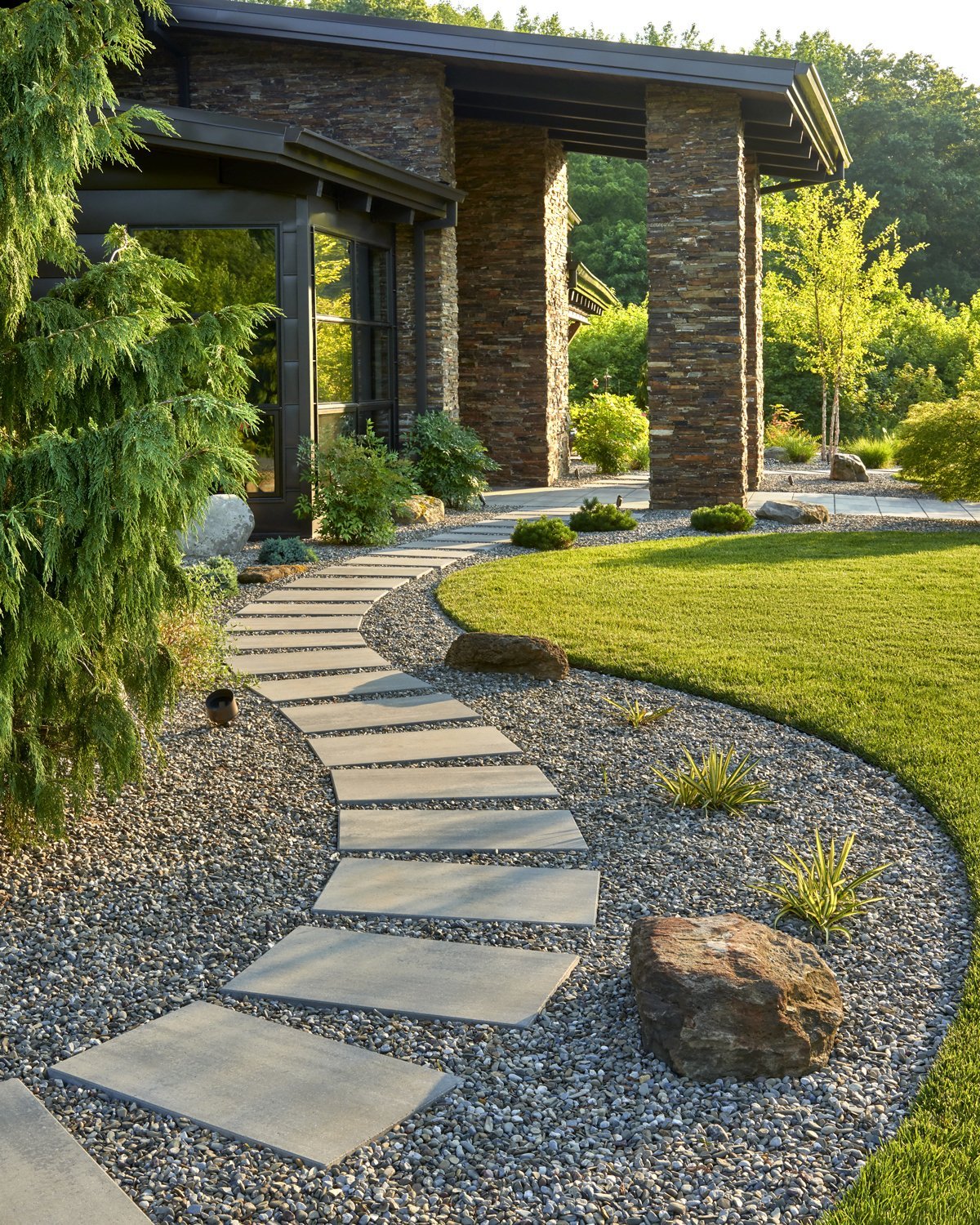
Paver walkway and landscaping

Walkways & Steps

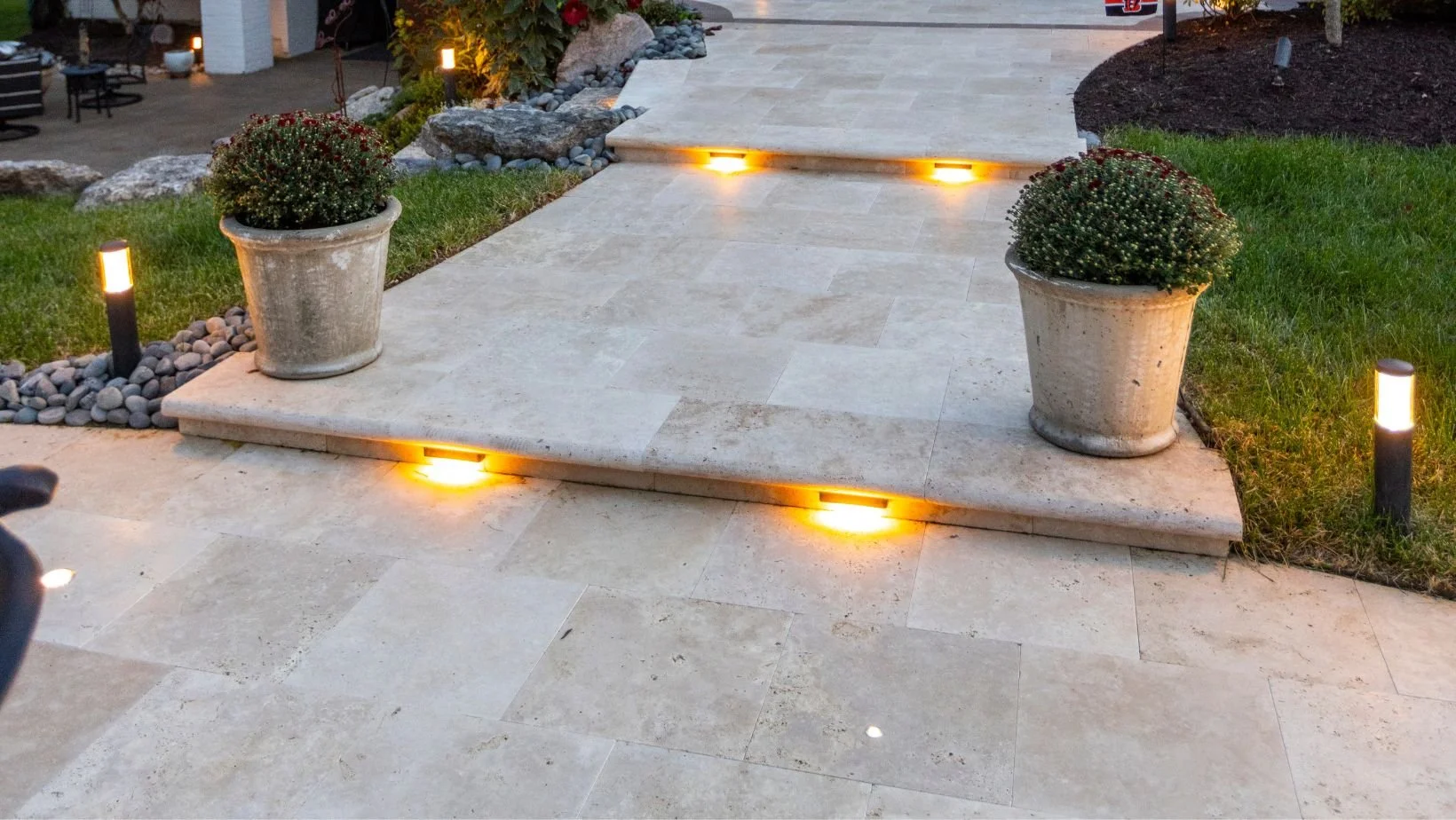
Guided paths from gate to front door or from patio to side yard with integrated steps, borders, and lighting.
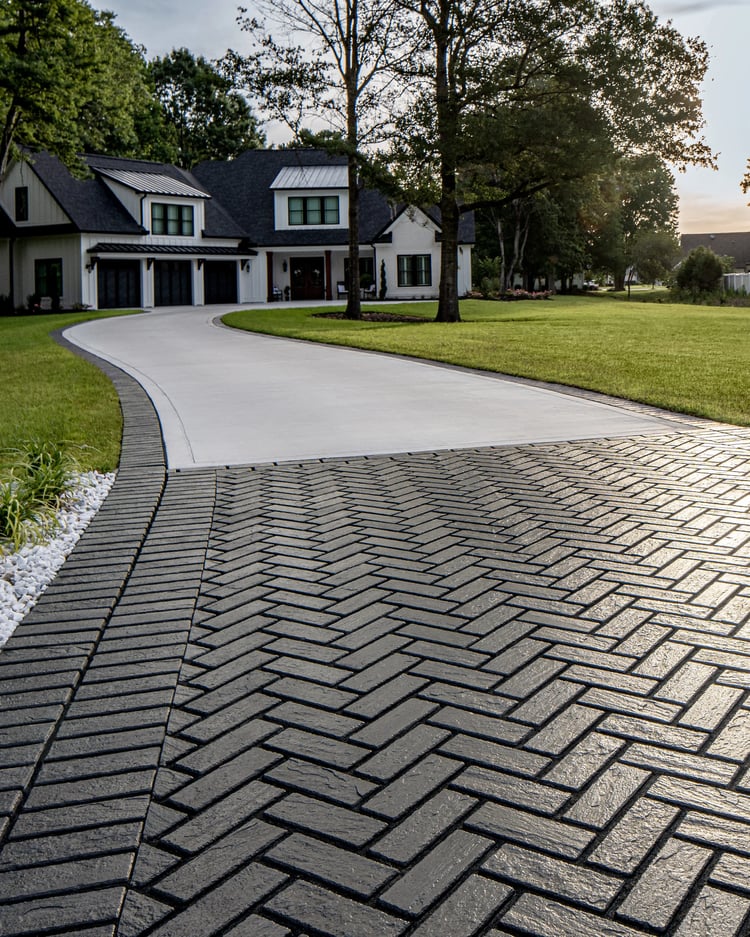
Paver driveway and courtyard space
🚗

Driveways & Courtyards

Heavy-duty paver installations engineered for vehicle traffic, oil-resistant, and easy to maintain or repair.

Paver Education

Understanding Concrete Pavers in Arizona

Understanding what concrete pavers are; how they handle Arizona heat, shifting soil, and long-term wear; plus the best color choices for comfort and curb appeal.

What Concrete Pavers Really Are

Concrete pavers are individual, high-strength units designed to interlock as a system. That matters because your hardscape is not one giant slab; it is a flexible surface made of many pieces that can move slightly with the ground. In Arizona, where soil shifts, temperature swings are intense, and surfaces take a beating, that system approach helps the finished patio, driveway, or walkway stay stable and good-looking for the long run.

Why Pavers Often Outperform Poured Concrete in Arizona

Arizona ground expands and contracts; plus, heat cycles are extreme. Pavers are built to flex as a surface, while poured concrete behaves like one rigid panel. Over time, concrete can crack and those cracks remain visible. With pavers, the movement is distributed across joints, so the surface can adapt without the same type of permanent damage.

Longevity in Desert Conditions

With proper base prep, compaction, edge restraint, and joint sand, pavers commonly last decades in Arizona. The big advantage is serviceability; if a section ever settles or gets damaged, individual pieces can be lifted, the base corrected, then reset. That means the surface can be refreshed without tearing out an entire slab.

Sun, Color, and Fading: What Really Matters

Pavers are made for outdoor exposure; but not all brands are equal. Higher-quality pavers fade more gradually, while cheaper products can show noticeable fading sooner, especially in full sun. Sealant can also help preserve color and make cleaning easier, depending on the finish you want and how the space is used.

Heat Performance and Comfort Underfoot

Pavers handle Arizona heat cycles well and are designed to withstand high surface temperatures. If comfort is a priority, color choice matters. Lighter colors often feel cooler in direct sun, while darker tones can run hotter. A smart approach is choosing a palette that balances visual style with everyday livability.

Traction Around Pools and Wet Areas

Surface texture plays a big role in slip resistance. Many pavers are manufactured with finishes that provide grip even when wet, which makes them a strong choice for pool decks, outdoor kitchens, and shaded patios. The right selection helps you get a surface that feels secure without looking rough or industrial.

Cracking, Damage, and Easy Repairs

Individual pavers can crack from extreme impact or heavy point loads, but the key advantage is that they are replaceable. A damaged paver can be swapped without leaving a patchy scar across the entire surface. Compare that to poured concrete; once a slab cracks, it is very hard to make it look like new again.

Color Strategy for Arizona Homes

In Arizona, lighter tones can help reduce heat, while earth tones tend to hide desert dust, everyday dirt, and hard-water staining better. The best choice depends on your home’s exterior colors, the amount of shade, and how you use the space. A cohesive palette can make the whole backyard feel more intentional and higher-end.

Curb Appeal and Resale Value

Professionally installed pavers elevate the look of a property; clean lines, upgraded materials, and a finished outdoor layout can increase perceived value. Buyers also appreciate durability and the ability to repair sections without major demolition, especially in climates like Arizona.

HOA Considerations and Approval

Many Arizona HOAs approve pavers, especially when the color and layout match community guidelines. The important part is verifying requirements before installation so the project stays smooth. If approvals are needed, we can align the design with HOA standards from the start.

Installation Process

How Professional Paver Installation Works

What to expect from timeline to excavation, base depth, compaction, edge restraint, and when overlaying existing concrete makes sense.

Typical Project Timeline in Arizona

Most paver projects are completed in about three to seven days depending on the footprint, pattern complexity, site access, and the amount of demolition or excavation required. A straightforward patio or walkway can move quickly, while larger areas, custom cuts, steps, seating walls, or driveway-grade preparation can add time. The goal is not speed for its own sake; it is a clean base and a finished surface that stays tight and level.

Year-Round Installation Advantages

Arizona weather makes paver installation possible year-round. That means you can plan around your schedule rather than waiting for a short seasonal window. The key is proper site planning and controlling drainage and compaction; the process and performance standards remain the same regardless of month.

Excavation Is the Foundation of Performance

Proper excavation is non-negotiable. It creates room for the engineered base, bedding layer, and pavers while allowing the correct final height and slope for drainage. When excavation is skipped or minimized, the base becomes too thin, water cannot move correctly, and the surface is more likely to settle unevenly over time.

The Base Material That Supports Everything

Under the pavers sits a compacted aggregate base designed for Arizona soil conditions. Think of it as a structural layer that spreads loads, reduces movement, and creates stability. This is where pavers get their strength; not from rebar, but from a properly built foundation and an interlocking surface.

How Deep the Base Should Be

Base depth varies by use. Patios and walkways typically need about six to eight inches of compacted base, while driveways and other high-load areas often require additional depth and reinforcement in the base design. The right depth is determined by soil conditions, drainage, and intended use; it is one of the biggest factors in long-term stability.

Why Rebar Is Not Part of a Proper Paver System

Pavers do not rely on rebar like poured concrete. Their strength comes from a compacted base, correct bedding, tight jointing, and an interlocking pattern that distributes loads across the surface. The system is designed to flex slightly with the ground rather than resisting movement as a single rigid slab.

Compaction and Why It Cannot Be Rushed

Compaction is done in multiple passes and multiple lifts. This is what locks the base together so it behaves like a stable platform. When compaction is skipped or done lightly, the base continues to settle later; which can lead to sinking, uneven joints, or shifting pavers. It is one of the most common causes of early failure in poor installations.

What Happens When Base Prep Is Done Wrong

If the base is not built correctly, you typically see pavers sink, separate, or become uneven. Low spots can collect water; joints can open; and edges can start to drift. The surface might still look okay at first, but problems show up after repeated heat cycles, watering, and normal use. Base prep is everything because it determines how the surface behaves for years.

Overlaying Pavers on Existing Concrete

In some cases, pavers can be installed over existing concrete, but only when slope, drainage, and finished height allow it. The concrete needs to be stable and correctly pitched; otherwise, you simply cover a drainage problem instead of fixing it. This option is evaluated case-by-case to avoid doors, steps, or pool coping ending up at the wrong height.

Edge Restraints That Keep Everything Locked In

Edge restraint is always installed because it prevents pavers from spreading over time. It is the frame that holds the field in place and keeps joints tight under foot traffic and vehicle loads. Without edge restraint, even a well-built base can slowly drift at the perimeter; which affects alignment, pattern, and long-term appearance.

Quick Visual Break

Your Pavers Should Look Premium; and Stay That Way

A great paver install is not just about the pattern. It is about the foundation, the drainage, and the small finishing details that keep everything tight and level through Arizona heat cycles.

  • Clean edges and tight joints that keep the layout locked in.
  • Correct slope so water drains away; no pooling and no soft spots.
  • Base built for desert movement; stable today and stable years from now.
  • Color choice that fits your home; and stays cleaner looking in Arizona dust.
Outdoor paver patio with clean lines and warm tones
Arizona Soil & Drainage

Designing Pavers for Arizona Ground Movement and Monsoons

The difference between pavers that stay flat for years; and pavers that shift, pool water, or erode around the edges comes down to soil awareness, grading, and smart drainage planning.

How Arizona Soil Affects Pavers

Expansive clay soil can move as moisture changes. Pavers handle movement better than rigid surfaces because joints allow small shifts without turning into long, permanent cracks.

Why Drainage Matters

Proper slope and drainage prevent pooling and erosion. Even a great-looking paver layout can fail early if water is allowed to sit or flow in the wrong direction.

Monsoon Season and Flooding

Pavers should not flood during monsoon season when installed with correct grading and drainage. The goal is controlled runoff that protects the base and surrounding landscape.

Permeable Pavers for Runoff Control

Permeable pavers allow water to drain through the joints into a designed base system. They can be great for runoff control and reducing puddling, especially in problem areas.

Can Pavers Help Fix Drainage Issues?

Yes. We often redesign yards to move water away from the home using slope corrections, drains where needed, and hardscape transitions that manage flow instead of trapping it.

Do Pavers Shift Over Time?

Not when properly installed with the correct base and compaction. Shifting usually points to poor base prep, missing edge restraint, or drainage problems.

Tree Roots and Repairs

Tree roots can affect pavers over time, but pavers are easier to repair than concrete. Sections can be lifted, the base adjusted, and the same pavers reset cleanly.

Sloped Yards and Engineering

Pavers are great for sloped yards when engineered correctly with retaining walls, step-downs, and controlled runoff so water does not accelerate and erode edges.

Erosion Control Benefits

Pavers stabilize surfaces and help control water flow. When drainage is planned well, you reduce washouts, exposed edges, and soil movement at the perimeter.

Installing Near Foundations

Pavers can be installed near foundations with proper setbacks and drainage planning. The key is keeping water moving away from the home and maintaining correct elevations.

Maintenance & Longevity

How to Keep Pavers Looking Great for Decades

Pavers are low-maintenance by design; but a few simple habits, smart sealing choices, and proper jointing can keep your surface cleaner, tighter, and more stain-resistant long-term.

Do Pavers Require Maintenance?

Maintenance is minimal. Most homeowners stick to occasional cleaning and a joint sand refresh when needed. The goal is simply keeping joints filled and the surface free of buildup that can dull the finish over time.

Should Pavers Be Sealed in Arizona?

Sealing is optional, but it is commonly recommended for color enhancement and stain resistance. It can help pavers stay richer-looking, and it makes spills and grime easier to clean, especially in outdoor kitchens or driveway areas.

How Often Should Pavers Be Sealed?

A typical range is every three to five years depending on sun exposure, traffic, and how often the area is cleaned. Full-sun patios and driveways may need sealing sooner than shaded walkways.

Do Weeds Grow Between Pavers?

Proper polymeric sand dramatically reduces weed growth by hardening in the joints and minimizing open space where seeds can take root. It is one of the best tools for keeping joints clean-looking.

Can Ants Be a Problem?

Ant issues are rare with proper base prep and joint sand. When joints are filled and stabilized, there is less loose material for insects to displace and fewer voids to create uneven spots.

How Do You Clean Pavers?

Simple cleaning usually works: water, mild detergent, or professional pressure washing when buildup is heavy. The right approach avoids blasting joint sand out and keeps the surface texture consistent.

Do Pavers Stain Easily?

Unsealed pavers can stain, especially from oil and food spills. Sealed pavers resist stains better and clean up easier. The best option depends on how you use the space and your spill risk.

Can Damaged Pavers Be Replaced?

Yes; individual pavers can be swapped without tearing up the whole area. That is a major long-term advantage over poured concrete.

Do Pavers Chip?

High-quality pavers resist chipping and hold up better to daily wear. Cheaper pavers can be more prone to surface issues over time, especially in high-traffic zones.

Will Pavers Look Old Over Time?

They age gracefully. Many homeowners prefer the natural patina that develops as the surface settles into the landscape. With basic upkeep, pavers can look intentionally “finished” rather than worn out.

Modern backyard paver patio with clean lines
Design moment

Pattern, borders, and the “finished” look

The difference between “we installed pavers” and “this backyard feels high-end” is usually the details; border treatment, alignment, and transitions that look intentional from every angle.

Border discipline Soldier course or contrasting banding adds structure and upgrades the layout fast.
Clean transitions Steps, walls, turf edges, and drains should meet the pavers with crisp, planned lines.
Future-proof layout Leave room for expansions; lighting; or outdoor kitchens without tearing everything up.
Pool Decks & Outdoor Living

Pavers Designed for Pools, Kitchens, and Backyard Living

Pool areas demand surfaces that stay cooler, resist slipping, handle chemicals, and still look great years later. Pavers are engineered for exactly that kind of outdoor use.

Are Pavers Good Around Pools?

Yes. Pavers are cooler, slip-resistant, and repairable, which makes them an ideal pool-deck surface. If a piece ever gets damaged, it can be replaced without tearing out the entire deck.

Do Pavers Get Hot Around Pools?

Color choice matters a lot. Lighter tones generally stay significantly cooler than standard concrete and are more comfortable for barefoot use.

Can Pavers Replace Kool Deck?

Yes, and they typically last much longer. You also get more design flexibility and easier repairs over time.

Saltwater Pool Compatibility

Pavers work with saltwater pools when properly selected and sealed. Sealing helps protect the surface and makes cleanup easier.

Outdoor Kitchens and Built-Ins

Absolutely. Pavers provide a stable, level base for outdoor kitchens, seating walls, and pergolas without behaving like a rigid slab.

Pool Chemicals and Durability

Quality pavers are resistant to pool chemicals when properly sealed, helping them hold color and reduce surface staining over time.

Matching Coping and Patios

Yes. We design cohesive pool and patio systems so coping, borders, and field patterns feel intentional and unified.

Barefoot Safety and Comfort

Textured, lighter-colored options are especially barefoot-friendly, with grip for wet areas and comfort in full sun.

Integrating Turf and Fire Features

Pavers pair extremely well with artificial turf and also work with fire pits when installed with proper heat clearance and good planning.

Driveways & Heavy Use

Driveway Pavers Built for Arizona Heat and Vehicle Loads

A driveway is the toughest hardscape zone on a home. With the right base depth, compaction, and edge restraint, pavers handle daily traffic, trucks, and heat cycles without behaving like soft asphalt or cracking slabs.

Can Pavers Be Used for Driveways?

Yes. Driveway pavers are absolutely a thing; but the base depth is critical. A driveway is a load zone, so it needs deeper, better-compacted base prep than a patio or walkway.

Are Driveway Pavers Strong Enough for Trucks?

Yes, when the system is designed for vehicle loads. That means proper excavation, correct base depth, multiple compaction passes, and tight edge restraint so the surface stays locked.

Do Pavers Crack Under Vehicle Weight?

Not when installed correctly. The strength comes from the interlocking system and the base underneath; weight is distributed across the field rather than concentrated into one rigid slab.

Are Pavers Better Than Asphalt in Arizona?

Often, yes. Asphalt can soften in extreme heat, which can lead to deformation over time. Pavers stay stable through high-temperature cycles when properly installed.

Cost vs Long-Term Value

Upfront cost is usually higher, but long-term value tends to be better because pavers are repairable, hold their look, and do not require full replacement when a small section needs attention.

Oil Stains and Cleanup

Oil stains can be removed, especially if the pavers are sealed. Sealing also helps reduce tire marks and makes routine cleaning easier.

Do Pavers Shift Under Cars?

No, not with the proper base and edge restraint. When the system is built correctly, the driveway feels solid and tight, not loose.

Replacing an Existing Driveway

Yes. Old concrete or asphalt is removed, the base is rebuilt to spec, and then the new paver system is installed with proper drainage and finished edges.

Noise and Drive Feel

Properly installed pavers are solid and quiet. You do not get a “loose” feeling; it should feel like a premium hard surface.

Permits and Approvals

Sometimes permits are required depending on city rules, drainage changes, or driveway approach modifications. When it applies, we handle permitting so the project stays compliant.

Driveway pavers with clean border detail and warm tones
Driveway detail

The “tight lines” that make a driveway feel premium

On driveways, the design has to look sharp and also behave like a structural surface. That is why the border, edge restraint, and slope planning matter as much as the paver color.

Border first Contrasting borders frame the field and visually hide tire marks.
Drainage planned Proper slope keeps water off the slab line and away from the garage.
Design & Customization

Patterns, Borders, Materials, and the Custom Details

Pavers are one of the most customizable hardscape systems. The pattern you choose affects both the “look” and how the surface performs, especially in high-load areas like driveways.

Patterns You Can Build With

Pavers can be installed in herringbone, running bond, basketweave, and custom layouts. The best pattern depends on the style of the home and how the space is used.

Do Patterns Affect Strength?

Yes. Pattern impacts how loads distribute across the field. For driveways, herringbone is widely considered one of the strongest patterns because it locks pieces together in multiple directions.

Borders: Strength + Visual Contrast

Borders can absolutely be added, and they do two jobs: they reinforce edges and they frame the design. A contrasting border is one of the quickest ways to make a patio feel more “architectural.”

Mixing Pavers With Travertine

Yes, pavers can be mixed with travertine with proper transition details. Clean height alignment and intentional border transitions keep the blend looking high-end instead of patched together.

3D Designs and Visualization

We offer design visualization so you can see layouts, borders, and material combinations before installation. It helps you finalize the look confidently and prevents costly last-minute changes.

Matching Existing Hardscape

We can source matching or complementary materials to tie in existing pool coping, walls, or walkways. The goal is cohesion; not a “new section” that looks unrelated.

Large-Format Pavers

Large-format pavers are available and popular in modern designs. They create cleaner lines, a more minimal feel, and fewer visual breaks across the surface.

Integrated Lighting in Pavers

Yes. Lighting can be built into the hardscape, and integrated landscape lighting is one of our specialties. It adds safety, nighttime usability, and the “resort” vibe after dark.

Modular and Future-Friendly

Pavers can be removed later. Because they are modular, they are reusable; that makes future upgrades, repairs, or additions much easier than dealing with a poured slab.

Pergolas and Footing Planning

Yes, pavers work with pergolas. The key is planning footings and structural points during installation so everything is clean, level, and properly supported.

Cost, Warranty & AE Outdoor Living

Pricing Transparency, Protection, and Long-Term Planning

Paver pricing is not just about square footage. It reflects material quality, base preparation, access, design complexity, and the long-term performance you expect from the project.

How Much Do Pavers Cost in Arizona?

Installed paver projects typically range from $18 to $30+ per square foot. The final number depends on materials, prep depth, and the complexity of the design.

Why Prices Vary So Much

Cost differences usually come from material quality, base preparation, access challenges, and layout detail. These are also the factors that determine long-term performance.

The Risk of Cheap Installation

Most paver failures trace back to shortcuts in base prep. Saving upfront often leads to sinking, separation, or costly repairs later.

Warranties and Coverage

We warranty our workmanship and use manufacturer-backed materials proven to perform in Arizona conditions.

Brands and Materials

We work with top-tier paver manufacturers known for durability, color retention, and consistency.

Permits, HOA, and Approvals

When required, permits are included and HOA submittals are handled to keep projects moving smoothly.

Financing and Phased Projects

Financing options are available, and many homeowners choose to phase projects using a master plan approach.

Demo and Haul-Away

Old concrete, grass, or gravel is removed and hauled away as part of the process; no leftover mess.

Clean modern paver patio with border detail in warm earth tones
The upgrade moment

When the backyard stops feeling “unfinished”

A good hardscape is not just a surface; it is the framework that makes everything else feel intentional. Once the pavers go in, turf lines look cleaner, lighting feels premium at night, and the whole space reads like a designed outdoor room.

Design note: Borders + lighting are the two fastest ways to make pavers look custom, not cookie-cutter.

Border detail Frames the field and sharpens the geometry.
Lighting lines Guides pathways and adds nighttime “depth”.
Material blend Pavers + turf + coping can feel seamless.

Long-Term Performance & Reality Checks

This is where expectations meet reality. Pavers perform exceptionally well; but only when design, materials, and installation are done right.

What Actually Causes Paver Failure

Poor base prep causes nearly every paver failure. Period.

DIY vs Professional Installation

Small paths may be DIY-friendly. Large projects require engineering-level prep.

How to Spot a Proper Installation

Level surfaces, tight joints, and zero movement are the telltale signs.

Settlement Over Time

Minimal settling is normal; proper installs stay stable and repairable.

Flexibility vs Cracking

Pavers flex with soil movement instead of cracking like rigid slabs.

Daily Use Reality

Pet-friendly, easy to clean, and resistant to grease when sealed.

Cleaner Than Gravel

Less dust, less tracking, and significantly cleaner outdoor spaces.

Choosing AE Outdoor Living

The difference between a paver project that lasts and one that fails usually comes down to who designs and installs it.

Built for Arizona, Not Generic Templates

Every project is designed for Arizona soil, heat cycles, drainage patterns, and usage; not copied from out-of-state installs.

Self-Performed Work

Our crews handle the work in-house. No random subcontractors, no quality gaps, no finger-pointing.

True Outdoor Living Integration

Pavers, pools, turf, lighting, glass, and structures are planned as one system; not separate projects stitched together.

Experience That Shows

Our team brings decades of combined Arizona hardscape experience to every build.

No Corner Cutting

We do not reduce price by compromising base depth, compaction, or materials. The goal is longevity, not shortcuts.

Ongoing Support

From cleaning and sealing to repairs and upgrades, we support projects long after installation.

Are Pavers Worth It in Arizona?

Yes; when installed correctly. When they are not, they become a recurring problem instead of a long-term asset.

WARRANTY • MAINTENANCE • FINANCING

How your pavers are protected, maintained, and paid for.

It is not just about installation day. We also look at warranties, long-term upkeep, and how to structure the project so it makes sense financially for your family.

1
Warranty
Install & material coverage

Layered warranties that protect your project.

Paver warranties are a mix of state required install coverage and manufacturer coverage, and they vary a bit by material.

In Arizona, there are standards that require about a two year install warranty on labor and materials. That is your baseline. On top of that, if you are using a manufacturer like Belgard for concrete pavers and you work with a Belgard authorized contractor, you can get a lifetime warranty on that material as long as it is installed to CHA specifications.

Natural stone is usually closer to a two year type warranty, just because it is a different product and behaves differently than manufactured concrete or porcelain. Porcelain itself is extremely durable.

The main takeaway is that when you combine proper installation with quality product and the right certifications, you are setting yourself up for a paver project that is covered and built to last.

2
Maintenance
Cleaning & sealing

Keeping your pavers looking fresh and clean.

Pavers are relatively low maintenance, but if you want them to stay bright and clean, you will want to plan on periodic cleaning and sealing.

A lot of people think their pavers have faded, but in most cases it is actually dirt and grime embedded into the surface, not the color disappearing.

If you want to keep that bright, vibrant, just installed color, it is a good idea to clean and seal your pavers every three to five years.

The only thing to keep in mind is that once you start sealing, it becomes an ongoing maintenance item if you want to maintain that same look.

3
Financing
Ways to pay

Cash flow it or finance the upgrade.

We do have financing available for paver projects, even though a lot of them are small enough that people choose to just cash flow them.

Most paver jobs tend to be under that $10,000 mark, so many homeowners are comfortable paying out of pocket.

Financing is a great tool if you want to spread payments out or keep your cash in the bank while you improve the yard.

If you want to talk through it, we can help you look at the numbers and see whether cash, credit, or financing is the best fit.

Next Steps

Go from “thinking about it” to real paver numbers

Use the paver pricing tool for a quick ballpark, then have us measure everything so you know exactly what your project will cost.

If you are thinking pavers might be the right fit, the next step is to jump into our paver pricing tool and then have us come out and measure for an exact quote.

We have a paver pricing tool where you can select the style of paver you are interested in, plug in your approximate square footage, and see a range of what that install might cost. You do not have to be perfect on your measurements. It is just a way to get a feel for pricing from your couch and compare different looks and materials.

Once you have a few ideas you like and a rough range, the next move is to schedule a site visit. We will come out, measure everything properly, check access and elevations, and walk the design with you. From there, we can put together a firm, exact price based on your actual yard and the paver you choose.

After that, it is just a matter of getting you on the schedule and working through the install. You will know what to expect cost wise, what the process looks like, and when you can start enjoying your new paver patio, driveway, pool deck, or walkway.

The tool gives you the ballpark. The site visit gives you the exact number and a clear plan for your driveway, patio, or pool deck.
Completed paver project
See real numbers before you ever break ground.
A quick online estimate, a walk-through on site, and a paver project that feels dialed in to your home and budget.
1
Use the paver pricing tool
Choose a paver style, add rough square footage, and see a live price range.
2
Schedule a site visit
We measure properly, check access and elevations, and walk the design with you.
3
Get your exact quote & date
You get a firm price based on your yard and paver choice—plus an install timeline.

Ready to Start Your Paver Project?

Tell us about your space, how you want to use it, and any existing concrete or pool areas we’ll be tying into. We’ll design a layout that fits your yard, your budget, and your long-term plans—then handle the installation from start to finish.