Warmth, Glow, and Evening-Ready Backyards
A custom fire pit adds a warm, welcoming focal point in a compact footprint; perfect for late-night conversations, cozy gatherings, and extending your outdoor living long after sunset.
Bring people together after the sun goes down.
Fire pits and fire features are one of the most popular ways to bring people together in an outdoor living space.
They’re perfect for hanging out with family and friends, roasting marshmallows with the kids, or just enjoying the backyard once the sun goes down.
You can keep it really simple with a basic wood burning pit, or you can go all out with a custom built gas fire feature tied into a full outdoor living space.
-
Warmth and ambiance
Creates an inviting space people naturally gather around.
-
Built to be used
A true focal point that gets enjoyed night after night.
-
Simple or custom
From classic wood burning pits to custom gas fire features.
Fire pit pricing runs across a huge range, depending on how simple or custom you want to go.
On the low end, a basic wood burning fire pit kit can be around fifteen hundred dollars. On the high end, custom gas fire features with stone, accents, and integrated design can reach into the tens of thousands.
What you’re really deciding is whether this is just a fire pit, or part of a larger outdoor living investment.
The more custom materials, utilities, and design elements you add, the more the price moves up.
The biggest cost drivers are fuel type, materials, and how custom the fire feature is.
Finishes like natural stone, textures, glass media, and custom burners all increase cost compared to a basic kit.
Gas fire pits also add cost depending on whether you use propane, set a tank, or tie directly into an existing natural gas stub.
- Wood burning vs propane vs natural gas
- Natural stone, faux stone, or concrete finishes
- Custom burners and fire rings
- Gas line distance, permits, and piping size
Pick the level of simplicity and convenience you want.
Good, better, best with fire pits is all about simplicity versus convenience and year round use.
Simple, affordable, wood burning
The good option is simple, affordable, and wood burning. It gets the job done without a lot of extras.
Gas convenience, cleaner operation
The better option adds gas, which means easier use, cleaner operation, and more consistency.
Fully custom, natural gas, permanent focal point
The best option is fully custom, tied into natural gas, and designed as a permanent focal point.
Good Option
The good option is a traditional wood burning fire pit kit.
This is typically a freestanding kit installed in the yard or patio area. It’s budget friendly and gives you that classic fire pit experience. This option works well if you want something simple and don’t mind managing wood and cleanup.
Better Option
The better option upgrades that same style pit to gas.
This could be a propane tank setup or a cleaner gas version of a standard kit. You still get a similar look, but with easier startup and less mess. It’s a solid middle ground for people who want convenience without going fully custom.
Best Option
The best option is a fully custom built fire feature tied into natural gas.
This usually includes a permanent structure, custom stone or concrete finishes, and either a log set or glass media. You can run it year round and don’t have to worry about no burn nights. This is the route people take when the fire feature is a major design element.
A basic wood burning kit can often be installed in a single day.
Custom gas fire features require construction, utilities, and inspections.
Typical Installation Steps
- Layout and design selection
- Permitting if required
- Gas line installation or prep
- Building the structure and finishes
- Final hookup and testing
The cleanest option is a freestanding kit placed in the yard with minimal surface cutting.
Custom fire pits involve cutting stone, concrete, and materials, which creates noise and dust.
The upside is the finished product looks great and is worth the temporary disruption.

Noise, dust, and prep work happen first; the finished look is the payoff.

There are a lot of features you can add to customize your fire pit.
You can choose from different burner types, ignition systems, and finish materials.
These features affect both appearance and ease of use.
- Stainless steel fire rings or burners
- Automatic igniters
- Glass media or log sets
- Stone, tile, or concrete tops and sides
Fire pits offer a wide range of design and material options.
You can go modern and smooth, or more traditional with stone textures.
Natural stone, faux stone, tile facing, and poured concrete are all options.
The design center helps narrow those choices to match your style and budget.
Upgrade the details
Small choices here can make the fire feature feel more premium and easier to use.
- Stainless steel fire rings or burners
- Automatic igniters
- Glass media or log sets
- Stone, tile, or concrete tops and sides
A simple fire pit can be completed in one to two days.
Custom built fire features typically average one to two weeks.
More complex designs can extend longer depending on scope.
Cities tend to process permits faster than county jurisdictions.
Gas line routing and inspections can also add time.
Simple kit install
Commonly finished in 1 to 2 days when no major prep is needed.Custom built fire feature
Most projects average 1 to 2 weeks depending on utilities and inspections.Complex designs
Extended timelines based on scope, access, finishes, and design changes.Biggest Timeline Drivers
Warranty, maintenance, and financing; all covered.
Clear standards, durable materials, and flexible ways to build a long term fire feature as part of your outdoor living plan.
Warranty standards
Fire pit structures and hardscape come with a minimum two year warranty.
This follows Arizona Registrar of Contractors standards.
Materials are covered as long as they’re used properly and not abused.
Normal use is covered, but extreme misuse is not.
Low maintenance
Maintenance is minimal when quality materials are used.
Stainless steel burners resist rust and hold up over time.
Custom burners are typically built with stainless, copper, or galvanized pipe.
As long as it’s used correctly, there’s very little ongoing maintenance.
Financing options
Fire pits are often financed as part of a larger outdoor living project.
Popular options include Credit Union West, GreenSky, and Lyon Financial.
These lenders offer flexibility to match different budgets.
Financing makes it easier to invest in a higher quality, long term solution.
Fire Features in Arizona, What Homeowners Should Know
Clear answers for Phoenix homeowners; fuel options, permitting, safety, pricing, and timeline.
Fire Pit vs Outdoor Fireplace
A fire pit is open and social with seating on all sides. An outdoor fireplace is vertical and directional, it often acts as a focal wall or wind break.
Permits and Inspections
Most built-in gas fire pits and fireplaces require permits. AE Outdoor Living handles permits and inspections.
Wood Burning Use in Arizona
Wood-burning fire pits are allowed, but they can be restricted on No-Burn days due to air quality regulations.
Fuel Options for Fire Features
Wood, natural gas, and propane are the most common fire pit fuel choices in Arizona.
Most Popular Choice for Arizona Homes
Natural gas is the most popular option because it is convenient, clean, and easy to use.
Safety Comes from Proper Installation
Gas fire pits are safe when professionally installed with shut-off valves, regulators, and proper clearances.
Covered Patio Installations
Fire pits can be installed under a covered patio, but strict clearance and ventilation requirements apply.
Custom Fire Pit Pricing Range
Most built-in fire pits range from $6,000 to $15,000+, depending on materials and gas work.
Typical Installation Timeline
Installation is typically 1 to 3 days, depending on design complexity and inspections.
Outdoor Fireplaces Usually Start Higher
Outdoor fireplaces usually cost more than fire pits due to masonry height, chimneys, and structural requirements.
Fire Pit Placement, Size, and Arizona Heat Considerations
A great fire pit is all about the right footprint, safe clearances, and materials that can handle Arizona temperature swings. Here’s how to plan it so it looks built-in and feels comfortable.
Installing on Existing Pavers or Concrete
Existing hardscape can work as a base when it’s heat-rated and properly prepared. The goal is a stable, level, and heat-safe footprint that protects surrounding surfaces.
Sizing That Fits Most Arizona Backyards
Many patios work best with a 36”–48” fire pit. This range gives you a strong visual anchor without swallowing the usable seating area.
Comfortable Seating Distance
A 36–48 inch gap from the fire pit edge to seating keeps the heat enjoyable and gives people room to move around safely.
Pool and Spa Placement
Fire pits can be installed near pools or spas with the right setbacks and heat-safe finishes. Planning matters most around decking materials, equipment zones, and traffic paths.
Home Value and ROI
Fire features are a high-ROI outdoor upgrade because they add a dedicated gathering zone and extend usability during cooler months.
Materials Built for Arizona Heat
The best-performing builds use concrete, stone, masonry block, steel, and refractory components designed for heat exposure and temperature swings.
Preventing Cracks in Extreme Conditions
Cracking is typically a construction issue, not a “fire pit” issue. Proper base work, correct materials, and heat-rated detailing are what keep the structure stable over time.
What Refractory Fire Brick Does
Refractory fire brick is a heat-resistant brick used inside fire features. It protects the structure, improves heat handling, and helps the fire pit last longer.
Custom Shapes and Layout Options
Fire pits can be built round, square, rectangular, linear, or fully custom to match your backyard layout and hardscape style.
HOA Compatibility and Approval
HOA rules vary by community. AE Outdoor Living reviews CCRs before installation so the design, fuel type, and placement align with requirements from the start.
Family Friendly Design and Reliable Flame Control
Notes on safe layouts, wind performance, burner basics, and ignition options for gas fire pits.
Safest Option for Families
Gas fire pits with controlled flame height and a clear layout are typically the safest choice for family spaces.
Pet Safety Comes from Spacing and Supervision
Fire pits can be pet-friendly when the design includes proper spacing and usage includes supervision.
Burner Rings Distribute Flame Evenly
A burner ring is a metal gas component that helps distribute flame evenly across the feature.
BTU Needs Depend on Size and Wind
BTU requirements vary based on the fire pit size and how exposed the space is to wind.
Wind Can Reduce Flame Performance
Wind can affect flame stability; proper placement and wind protection help maintain consistent burn.
Wind Guards Protect the Flame
A wind guard is typically a glass barrier that helps protect the flame from wind and improves performance.
Year Round Use in Arizona
Fire pits can be used year-round, but they are most popular from fall through spring.
Electricity Is Optional
Fire pits only require electricity if you choose electronic ignition or integrate lighting features.
Ignition Choices
Ignition systems are commonly manual key valves or electronic ignition systems.
Gas Odor Is Usually Brief
Gas fire pits typically only smell briefly during ignition.

Warmth That Pulls People In
A fire feature works best when it feels effortless to use. The right placement turns a random patio corner into a natural gathering circle.
Your biggest choice is fuel and convenience; wood is classic, gas is cleaner, and natural gas feels like a permanent “flip it on anytime” focal point.
Keep it simple or go fully custom; either way, the goal stays the same: warmth, ambiance, and a backyard you actually use after the sun goes down.
Fire Media Options, Cleaning, and Gas Choices
Finishing details matter. Fire media sets the look, covers and inserts add function, and smart planning makes future upgrades like gas conversions easier.
Fire Media Choices That Change the Look
Fire features can be finished with lava rock, fire glass, ceramic logs, and decorative stone. The right media can shift the vibe from modern to natural, while still performing well in high heat.
Heat Expectations for Fire Glass
Fire glass gets hot because it sits in the flame path; it’s designed specifically for fire pit use and performs best when paired with the correct burner and media depth.
Table-Style Fire Features
Fire pits can double as tables when designed with removable covers or inserts. This adds everyday usability without sacrificing the fire feature impact.
Built-In Seating Wall Integration
Integrating a fire pit with seating walls is one of the most popular designs. It creates a true “destination zone” and makes the fire feature feel intentional in the overall layout.
Gas Fire Pit Maintenance
Gas fire pits are typically minimal maintenance. A yearly inspection plus light cleaning keeps burners clear and performance consistent.
Cleaning Basics That Keep It Looking Sharp
Routine care is simple: remove debris, wipe surfaces as needed, and rinse fire media when it looks dusty. Keeping the burner area clean prevents issues.
Grass Placement and Non-Combustible Bases
Installing a fire pit directly on grass is not recommended unless a proper non-combustible base is built. This protects the yard and improves stability and safety.
Permanent vs Moveable Options
Built-in fire pits are permanent features tied into the hardscape. Portable units can be moved later, but they don’t deliver the same custom look or integration.
Propane vs Natural Gas in Real Life
Natural gas systems are plumbed into your property for always-ready operation. Propane uses tanks and regulators, which adds refills and storage to the routine.
Planning for a Future Gas Conversion
Converting a wood fire pit to gas later is possible with proper planning and access to a gas source. If future upgrades are likely, it’s smart to design with that path in mind.
Wind Control, Clearances, and Small Yard Friendly Designs
Notes on fireplace performance, code clearances, landscaping spacing, lighting, and tight-space installs.
Outdoor Fireplaces Help with Wind Protection
Their vertical design blocks wind more effectively than open fire pit layouts.
Chimney Needs Depend on Design
Many outdoor fireplaces require chimneys, depending on the fireplace design and fuel type.
Gas and Wood Options Are Both Available
Outdoor fireplaces can be built as gas or wood-burning units, based on comfort, maintenance, and local code requirements.
Clearances Vary by Code and Fuel Type
Required clearance around a fire feature depends on local code, fuel type, and nearby structures.
Landscaping Can Be Near Fire Features with Safe Spacing
Fire pits can be installed near landscaping, but plants should be kept a safe distance away.
Pavers Stay Protected with Proper Insulation
Fire pits will not damage nearby pavers when installed with proper insulation and heat management.
Lighting Adds Safety and Ambiance
Accent lighting around fire pits improves visibility, safety, and the overall evening vibe.
Gas Fire Pits Are Nearly Silent
Compared to wood fires, gas fire pits operate with very little noise.
Small Yards Can Still Work
Compact fire pit designs are a great fit for smaller outdoor spaces and tight layouts.
Desert Area Installs Are Allowed with the Right Setup
Fire pits are allowed in desert areas when permits and fuel choice are handled properly.
Fire Pit Safety, Drainage, and Smart Controls
Well-built fire features go beyond looks. Proper liners, drainage, setbacks, and safety controls are what make fire pits reliable, long-lasting, and family-friendly.
Fire Pit Liners and Heat Protection
A fire pit liner acts as a heat barrier, protecting the surrounding structure from direct flame exposure and extreme temperatures.
Drainage Planning That Prevents Damage
Proper drainage prevents water from pooling inside the fire pit, protecting burners, media, and internal components from corrosion.
Rain-Ready Fire Pit Construction
Fire pits designed with drainage and quality materials are not damaged by rain, even during Arizona monsoon seasons.
Cooking-Friendly Fire Pit Designs
Some fire pit designs support cooking grates and accessories, allowing light grilling or marshmallow roasting when appropriate.
Spark Screens and Fire Safety
Wood-burning fire pits require spark screens to prevent embers from escaping and to comply with safety standards.
Safe Placement Near Walls
Fire pits can be installed near walls when proper heat clearances and non-combustible materials are used.
Key Valves and Manual Shutoffs
Key valves provide a manual gas shutoff for fire features, adding an extra layer of control and safety.
Automatic Safety Shutoff Options
Timers and safety sensors can automatically shut down gas flow, reducing risk and increasing peace of mind.
Insects and Fire Features
Firelight may attract some insects, but smoke and heat often discourage bugs from lingering nearby.
Family-Friendly Fire Pit Use
Gas fire pits can be safely used for marshmallow roasting with adult supervision and controlled flame settings.

A Backyard Focal Point After Sunset
A fire pit is not just warmth. It is the easiest way to make a patio feel finished and inviting at night.
When placement is right, the space naturally pulls people together without blocking walkways or seating.
Keep it simple, or go custom. Either way, the goal is a clean build that feels effortless to use.
Long Term Value, Better Layout, and Smart Add Ons
Notes on warranties, lifespan, entertaining layouts, inspections, service areas, eco impact, and accessibility.
Warranty Coverage Applies
Fire pits are covered by warranty; materials and workmanship warranties apply.
Decades of Lifespan When Built Right
Well-built fire pits can last for decades with proper construction and materials.
Best Shapes for Entertaining
Round or square designs encourage conversation because they support seating angles on multiple sides.
Pairs Well with Outdoor Kitchens
Fire pits can absolutely be part of an outdoor kitchen build and are commonly paired together.
Inspections for Gas Installs
Permitted gas fire pits typically require inspections to meet local code and safety requirements.
Property Line Setbacks Vary
Fire pit placement near property lines depends on city code; setback requirements vary by municipality.
Service Area Coverage
AE Outdoor Living serves Phoenix, Peoria, Glendale, Scottsdale, and surrounding areas.
Choosing the Right Design
The best fire pit design depends on your space, fuel availability, and lifestyle.
Lower Emissions Compared to Wood
Gas fire pits generally produce fewer emissions than wood-burning fire pits.
ADA Accessible Options
Fire pits can be designed to be ADA accessible when layout and approach clearances are planned properly.
Adding Fire Features to Existing Spaces, Safely and Cleanly
Fire pits should feel like they were always part of the backyard. With the right heat protection, grading, and finishing, fire features integrate cleanly into patios, slopes, and existing landscapes with minimal upkeep.
Protecting Concrete Patios from Heat
Fire pits do not crack concrete patios when installed with the correct heat barriers and proper build detailing.
Seamless Add-Ons to Existing Landscapes
Fire pits can be added to most existing backyards. With the right footprint and finish match, the new feature blends into patios, pavers, and surrounding landscaping.
Linear vs Round Designs
Linear fire pits lean modern and work well with contemporary layouts. Round fire pits feel more traditional and naturally create a gathering circle.
Custom Colors and Finish Options
Fire pits can be custom colored through material selection and finish choices, including stone, concrete, tile, and cap options that match the home’s exterior.
Ongoing Fuel Costs
Gas fire pits have low operating costs. Fuel use is typically minimal for normal evening use and entertaining.
Burn Bans and Seasonal Restrictions
During burn bans, wood burning may be restricted. Gas fire pits are usually allowed, but it’s always smart to follow local rules and HOA guidelines.
Recommended Safety Equipment
Keeping a fire extinguisher nearby is recommended. It’s a simple step that adds peace of mind during use.
Installing on Slopes
Fire pits can be installed on slopes when grading and foundations are built correctly. Proper prep keeps the structure level and stable long-term.
Protecting the Fire Feature When Not in Use
Covers help protect burners, ignition components, and media from debris and dust, and they keep the feature looking clean between uses.
Annual Servicing for Gas Systems
Annual servicing is recommended for gas fire pits. A simple inspection and cleaning helps maintain safe operation and consistent ignition.
Glow, Warmth, and a Space People Stay In
A fire feature makes the patio feel “done”. It anchors seating, adds ambiance, and keeps your evenings outside longer.
The best builds feel effortless to use because the layout is clear, the heat is controlled, and the finish looks clean up close.

Design Integration, Winter Use, and Resale Value
Notes on combining fire with pools, patios, water, windows, and how to build it as the centerpiece.
Complete Outdoor Living, Not Just One Feature
AE Outdoor Living designs and builds full outdoor living environments, not just fire pits.
A Strong Upgrade for Arizona Winters
Fire pits are excellent for Arizona winters because they extend outdoor use significantly.
Fire and Water Combos Are Popular
Fire pits can be combined with water features; this combination is a common high-end design choice.
Windows Are Fine with Proper Clearances
Fire pits can be installed near windows as long as required clearances are followed.
No Smoke Stains with Gas
Gas fire pits do not create smoke stains like wood-burning units can.
Built Ins Are Permanent
Built-in fire pits are designed as permanent features and typically are not relocated later.
Ignition Sound Is Brief
Electronic ignition usually makes a brief sound during startup.
Best Time to Add Fire During Pool Builds
Fire pits can be added during pool construction; it is often more efficient to do it then.
Resale Friendly Fire Features
Gas fire pits and outdoor fireplaces tend to be the best fire features for resale value.
Fire as the Centerpiece
Fire pits can be designed as focal points; they are often the centerpiece of the backyard.
Installation Readiness, Gas Planning, and Getting a Quote
The smoothest projects are the ones planned around inspections, heat separation, gas demand, and seating ergonomics. Here’s what to expect from installation through quote.
When the Fire Feature Is Ready to Use
Most fire pits can be used after final inspection and system testing. This ensures ignition, shutoffs, and gas connections are operating safely.
Insurance Considerations
Homeowner insurance updates are usually not required, but it’s smart to check with your provider for any specific policy guidelines.
Safe Integration Near Synthetic Turf
Fire pits can be installed near synthetic turf when proper heat separation is built in. The right spacing and non-combustible detailing protect edges and surrounding zones.
Protecting Nearby Stone Finishes
Proper material selection prevents discoloration on nearby stone. Heat-rated surfaces and smart detailing keep finishes looking consistent long-term.
Why New Builds Are Ideal for Fire Features
Fire pits are excellent additions to new builds because utilities and layout can be planned from the start. This makes integration cleaner and often more cost-effective.
Gas Meter and BTU Demand Planning
Some projects require gas meter upgrades depending on total BTU demand. This is common when adding multiple gas features or high-output burners.
Seating Wall Integration
Fire pits are very commonly built into seating walls. This creates a finished destination zone and improves flow for entertaining.
Custom Heights for Comfort and Safety
Fire pits can be customized in height based on seating style, viewing angle, and safety preferences. Proper height makes the feature feel natural in the space.
Getting a Quote
The best way to get accurate pricing is a site consultation. AE Outdoor Living reviews your layout, materials, utilities, and design goals to build a quote that fits your backyard.
Why Install with AE Outdoor Living
AE Outdoor Living designs, permits, builds, and integrates fire features the right way. Every project is built for Arizona conditions and long-term enjoyment with clean, high-end backyard integration.
Fire Pits That Turn Evenings Into Memories
A fire pit brings warmth, glow, and a natural gathering spot to your backyard. It makes outdoor nights cozier, brighter, and more enjoyable.
Whether it’s quiet time or evenings with family and friends, a custom fire feature gives you a place to slow down and stay outside longer.
Small Footprint, Big Impact
Fire pits don’t need a huge yard to stand out. With the right design and placement, they add comfort, atmosphere, and value to almost any outdoor space.

A fire pit naturally draws people together, giving everyone a place to sit, relax, and enjoy the night without phones or distractions.

Cool desert nights feel warmer and more inviting, so you can use your backyard earlier in spring and later into fall.
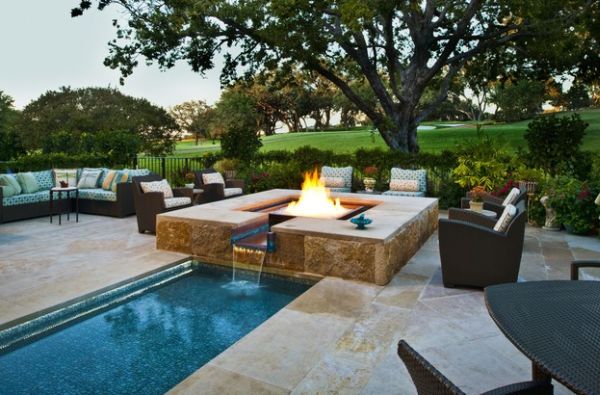
Fire pits visually anchor patios and seating areas, tying together materials, furniture, and lighting into one cohesive space.
Materials That Match Your Style
We expertly install a variety of materials so your fire feature feels like it belongs in your backyard—not just dropped in.
Ready to Add a Fire Pit to Your Backyard?
Share a few details about your space and how you’d like to use it, and our team will design a fire feature that fits your layout, your budget, and the way your family spends time outside.
